
Bright Enough to Work Safely: Industrial Lighting Installation in Lynchburg, VA
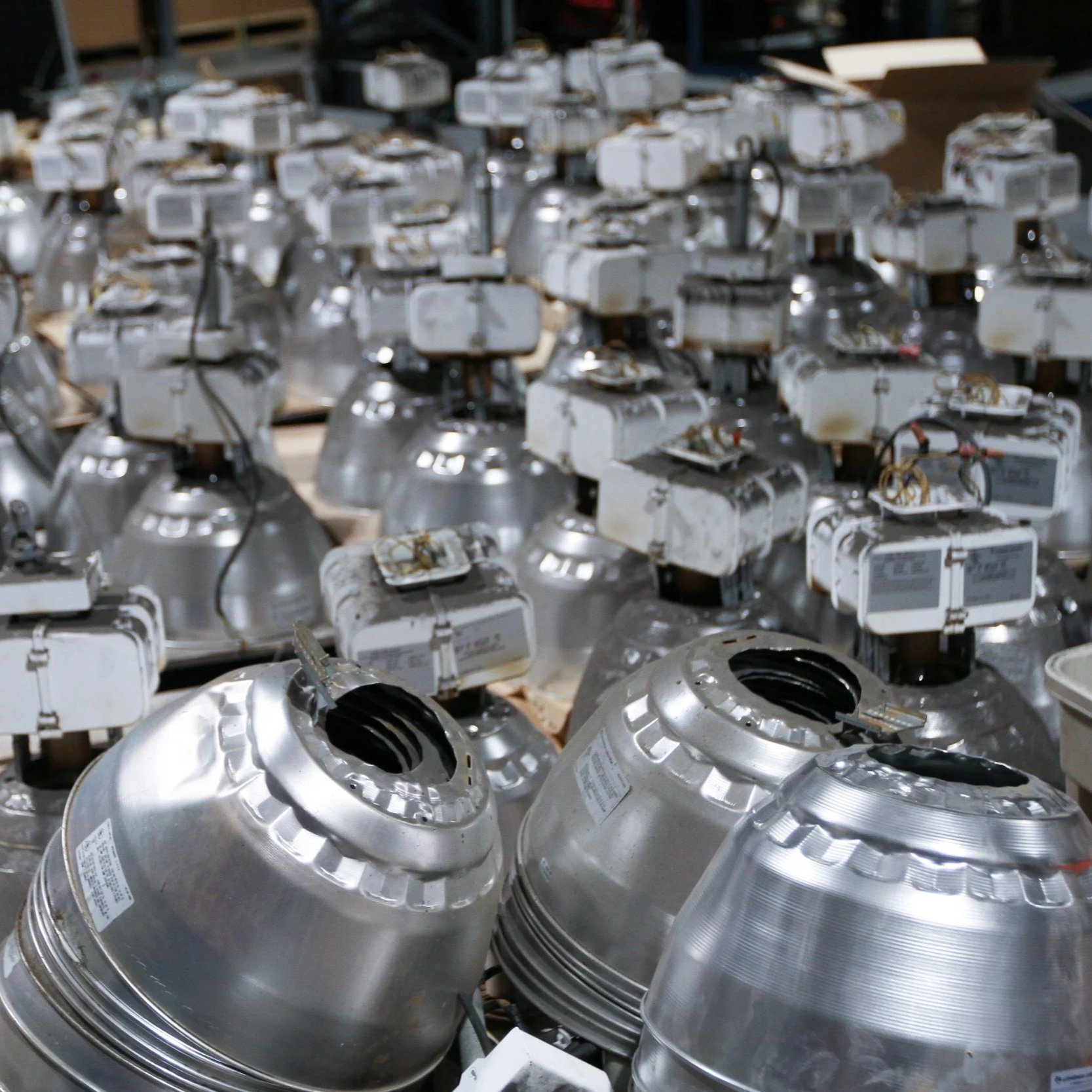
Industrial lighting installation focuses on creating workspaces where visibility supports confidence rather than caution.
Industrial environments place constant demands on lighting systems far beyond those of typical commercial spaces. In Lynchburg, VA, warehouses, manufacturing plants, fabrication shops, and distribution centers rely on lighting to support accuracy, movement, and safety across long shifts. These spaces often operate with heavy machinery, tall storage systems, and ongoing vehicle traffic, all of which increase the importance of clear visibility. Poor lighting contributes to eye strain, slower reaction times, and avoidable mistakes that affect both people and productivity. Workers feel the impact first, often long before lighting issues show up on a maintenance report or safety audit.
Industrial lighting installation focuses on creating workspaces where visibility supports confidence rather than caution. Proper lighting allows teams to move efficiently, read markings clearly, and operate equipment without hesitation. Professional planning accounts for ceiling height, task intensity, equipment layout, and shift schedules. When lighting is done right, it becomes a quiet partner in daily operations rather than a constant source of frustration or risk. Over time, reliable lighting shapes how smoothly a facility functions and how safely people perform their jobs.
How Lighting Influences Daily Safety on the Floor
Industrial lighting plays a direct role in preventing workplace injuries. Inadequate brightness, uneven coverage, or harsh glare can hide hazards and distort depth perception. Workers navigating forklifts, conveyors, pallets, and heavy machinery rely on consistent visibility to make split-second decisions. When lighting is insufficient, reaction time slows, and the margin for error narrows significantly. Even experienced workers are more likely to misjudge distances or overlook obstacles in poorly lit environments.
Clear, balanced illumination helps workers judge distances and spot changes in their surroundings quickly. A well-lit floor reduces hesitation when stepping, lifting, or reaching. Visual clarity supports better posture and hand placement during repetitive tasks, which helps reduce strain and long-term injury risk. Safety improves when lighting supports natural movement rather than forcing workers to compensate for shadows or glare.
Industrial lighting installations prioritize eliminating dark zones and visual confusion. Electricians design layouts that evenly distribute light across active areas, including aisles, workstations, and loading zones. Fixtures are positioned to support visibility without creating harsh reflections. Safer lighting conditions contribute to stronger safety records, lower incident rates, and healthier teams over time.
Why Industrial Spaces Demand Customized Lighting Plans
No two industrial facilities operate the same way, even when they share a similar footprint or industry type. A warehouse focused on bulk storage requires different lighting than a production floor dedicated to detailed assembly or inspection. Ceiling height, rack systems, machinery placement, and traffic patterns all influence lighting needs. Generic lighting layouts often leave coverage gaps or create overly bright areas, leading to discomfort.
Task-focused lighting supports detailed work such as assembly, packaging, or quality control, while broad illumination improves navigation and spatial awareness across large areas. Some zones benefit from higher brightness to confirm accuracy, while others require softer ambient light to reduce fatigue and glare. Mixing fixture types and output levels allows facilities to balance performance and comfort. Flexibility matters more than uniformity in industrial settings.
Industrial lighting installation begins with understanding how the space is actually used day to day. Electricians evaluate workflows, equipment placement, and employee movement rather than relying on standard templates. Lighting designs reflect operational reality rather than assumptions. This customized approach leads to better results, fewer adjustments, and higher satisfaction among workers and supervisors alike.
Controlling Glare and Shadows in Large Facilities
Glare and shadows create subtle but serious problems in industrial environments. Overly bright fixtures can cause reflections on metal surfaces, screens, or polished floors, straining eyes and reducing clarity. Shadows cast by racks, machinery, or structural elements can hide obstacles and disrupt depth perception. Both conditions contribute to fatigue, slow work pace, and increase the likelihood of errors or accidents.
Thoughtful fixture placement minimizes these issues. Even spacing reduces harsh contrasts across large areas, while appropriate mounting heights help spread light more effectively. Proper beam angles allow light to reach behind and around equipment rather than stopping abruptly. Workers benefit from smoother transitions between lit zones, which helps maintain focus and reduces visual stress.
Industrial lighting installation addresses glare and shadow control from the start of the design process. Electricians position fixtures to maintain clear sightlines throughout the space, including vertical surfaces and aisle intersections. Adjustments consider equipment height, aisle width, and ceiling structure. Balanced lighting improves comfort, accuracy, and overall morale during long shifts.
Balancing Brightness and Energy Efficiency
Energy usage represents a major operational cost for industrial facilities. Older lighting systems often consume large amounts of power while delivering inconsistent or inadequate results. Inefficient fixtures increase utility expenses without improving working conditions, putting pressure on budgets and sustainability goals.
LED technology has transformed industrial lighting by providing strong, consistent illumination with significantly reduced power consumption. Longer fixture lifespan lowers replacement frequency and reduces maintenance disruptions. Reduced heat output improves floor comfort and reduces strain on cooling systems. Energy-efficient lighting supports both financial and environmental goals while improving visibility.
Industrial lighting installation evaluates energy goals alongside performance needs. Electricians recommend fixtures and layouts that balance brightness, coverage, and efficiency. Facilities benefit from lower operating costs without compromising safety or productivity. Over time, smart lighting design delivers measurable savings and operational stability.
Supporting Multiple Shifts and Changing Tasks
Many industrial facilities operate around the clock, with lighting needs that vary by time of day and task type. Overnight shifts often require different brightness levels than daytime operations due to reduced natural light and worker fatigue. Fixed lighting systems can feel harsh at certain times or insufficient at others, affecting comfort and focus.
Zoned lighting allows specific areas to operate independently. Task areas receive appropriate brightness for active work, while transit routes or storage zones use lower levels when activity is minimal. Lighting controls can adjust output based on occupancy, schedules, or operational demand. This adaptability supports productivity while reducing unnecessary energy use.
Industrial lighting installation incorporates adaptive controls where appropriate. Electricians design systems that respond to real operating patterns rather than static assumptions. Adjustability improves both efficiency and worker comfort, especially in facilities with varied workflows. Lighting becomes responsive rather than rigid, supporting consistent performance across all shifts.
Why Maintenance Planning Matters From Day One
Lighting maintenance directly affects productivity and safety in industrial environments. Fixtures installed without considering access can create downtime during repairs or replacements. Frequent bulb changes interrupt workflow, require the use of lift equipment, and sometimes force temporary shutdowns. Poor planning leads to long-term frustration and higher maintenance costs.
Long-life fixtures reduce maintenance frequency, freeing staff to focus on core operations. Accessible mounting locations simplify service tasks and reduce safety risks for maintenance personnel. Using consistent fixture types across the facility streamlines parts inventory and repair procedures. Planning saves time, labor, and money over the life of the system.
Industrial lighting installation includes maintenance considerations during the design phase. Electricians plan layouts that support safe, efficient access for future servicing. Reduced downtime helps keep operations running smoothly and predictably. Thoughtful design continues to deliver value long after installation is complete.
Visibility, Safety Standards, and Compliance
Industrial facilities must meet visibility and safety standards to protect workers and maintain operational integrity. Inadequate lighting can lead to compliance concerns, failed inspections, and increased liability. Clear illumination ensures signage, floor markings, emergency exits, and warning labels remain visible at all times. Good lighting reinforces safety protocols naturally without constant reminders.
Lighting levels must support both general movement and detailed work tasks. Emergency pathways require consistent illumination to guide safe evacuation if needed. Proper lighting enhances awareness without distracting workers from their responsibilities. When lighting supports safety standards, compliance becomes part of everyday operation rather than an ongoing challenge.
Industrial lighting installation aligns lighting performance with safety expectations and regulatory requirements. Electricians understand how standards translate into practical application on the floor. Facilities meet requirements while maintaining comfort and efficiency. Well-lit spaces support accountability, awareness, and a culture of safety.
Planning Lighting for Future Growth
Industrial operations rarely remain static. Equipment is upgraded, storage configurations change, and production lines expand or shift. Lighting systems that cannot adapt become limitations, requiring costly modifications or full replacement. Forward-thinking design supports growth without major disruption.
Modular lighting layouts allow fixtures to be repositioned or added as spaces evolve. Scalable systems enable increasing illumination in new zones without redesigning the entire system. Lighting controls can be reprogrammed to match updated workflows or occupancy patterns. Planning for flexibility reduces future costs and downtime.
Industrial lighting installation considers long-term adaptability as a core design principle. Electricians design systems that grow with the facility rather than restrict it. Adaptable lighting supports changing needs and evolving operations. Facilities avoid expensive redesigns and maintain consistent performance over time.
Why Professional Installation Delivers Better Outcomes
Online guides and generic recommendations often oversimplify industrial lighting decisions. Each facility presents unique challenges related to size, layout, equipment, and safety requirements. Guesswork leads to uneven results, glare issues, or insufficient coverage that must be corrected later at additional cost.
Professional electricians assess real-world conditions rather than ideal diagrams. They consider ceiling structure, equipment height, workflow patterns, and employee movement throughout the space. Lighting decisions are grounded in how the facility actually operates, not how it is supposed to operate on paper. Precision replaces trial and error.
Industrial lighting installation performed by professionals delivers dependable, consistent performance. Facilities gain lighting that supports safety, efficiency, and employee comfort. Expert planning reduces long-term costs, minimizes disruptions, and improves reliability. The result is a lighting system that aligns with operational goals and supports safe, productive work every day.
FAQs
What type of lighting works best for industrial facilities in Lynchburg, VA?
LED lighting is widely used in industrial facilities in Lynchburg, VA, because it delivers strong, consistent illumination while using less energy. It also offers a longer lifespan and reduced maintenance compared to traditional lighting systems, making it a practical long-term solution.
How does industrial lighting affect worker safety?
Proper industrial lighting reduces glare, shadows, and blind spots, which helps workers clearly identify hazards and judge distances accurately. Well-designed lighting supports safer movement and improves overall awareness within the workspace.
Can new industrial lighting lower energy costs?
Yes, modern lighting systems use less electricity while providing improved brightness and coverage. Upgrading to efficient fixtures can significantly reduce long-term operating costs and help lower utility bills over time.
Why is professional industrial lighting installation important?
Professional installation ensures fixtures are placed correctly, brightness is evenly distributed, and the lighting design matches how the facility operates. This approach helps avoid common issues that come from generic or poorly planned layouts.
When should industrial lighting be evaluated or upgraded?
Lighting should be reviewed when workflows change, equipment is added or moved, safety concerns develop, or energy efficiency goals shift. Regular evaluations help maintain performance, improve safety, and support compliance requirements.
Wired Up Electrical is a trusted residential, commercial, industrial, and emergency electrical service provider in Forest, VA. As a General dealer, we also offer reliable generators installation and maintenance solutions. Homeowners, businesses, HOAs, property managers trust us for safety, clear communication, and top-notch workmanship. Call today for a free estimate.
