
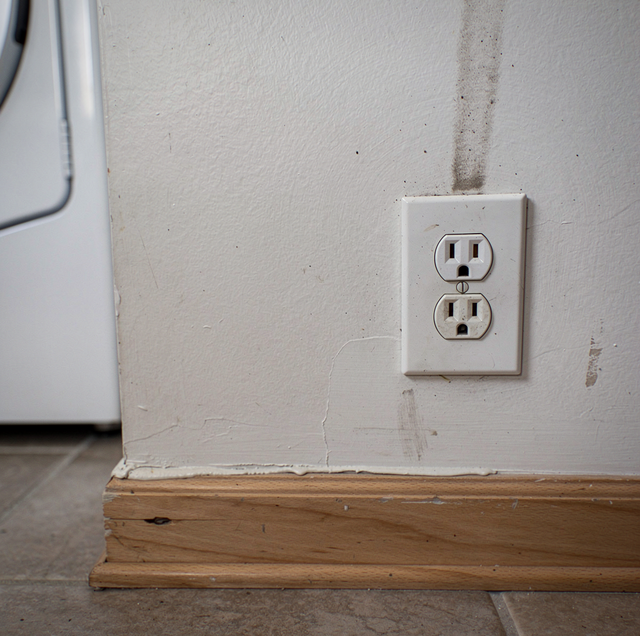
3-Prong or 4-Prong Dryer Outlet? What Actually Changed
The advice you hear at the appliance counter sounds simple. Your new dryer arrived without a cord.
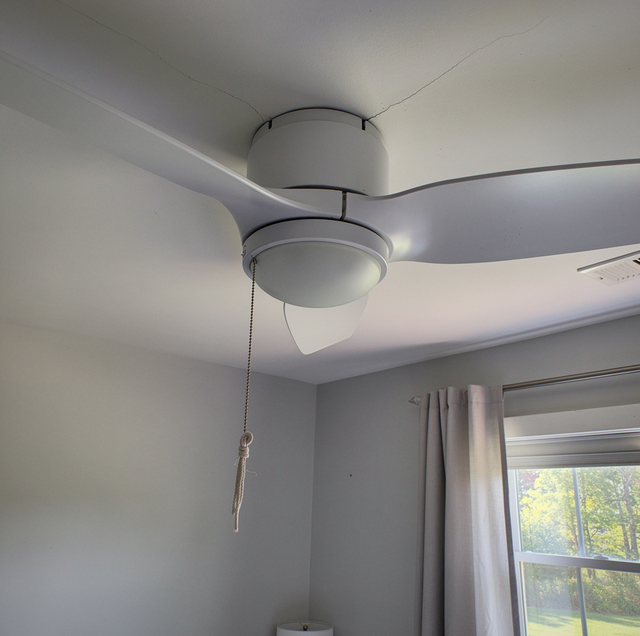
Ceiling Fan Only Runs on One Speed? What’s Actually Failing
Your pull chain still clicks through all three positions. Your remote still beeps when you press it.
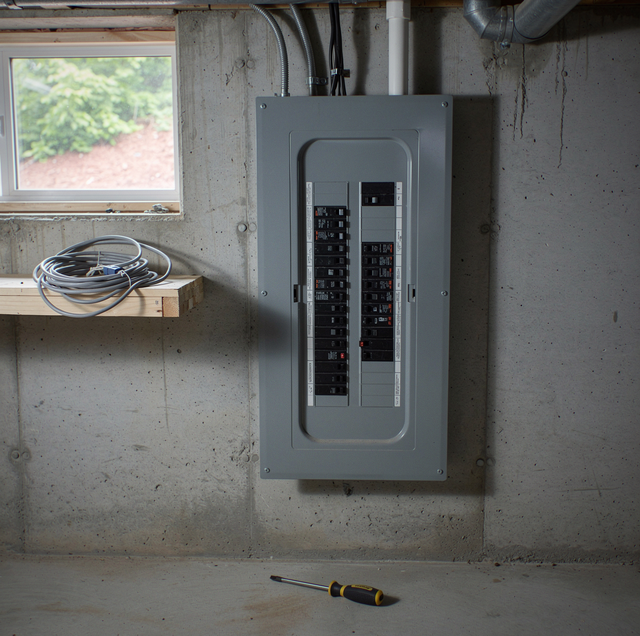
5 Things to Check Yourself Before You Call an Electrician
Either the kitchen lights are flickering while you stand there holding the phone, or they stopped twenty minutes ago, and the room looks entirely ordinary.
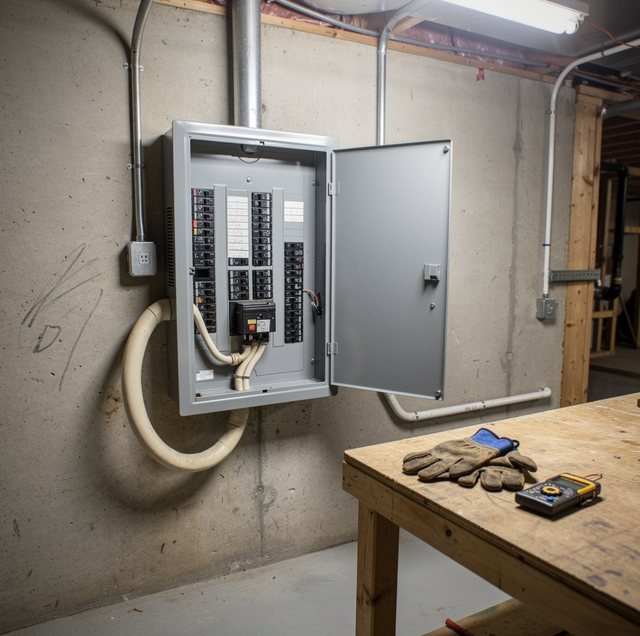
Why Big Appliances Need Their Own Dedicated Circuit
If any of these sound familiar, the underlying issue usually comes down to whether a large appliance is on a circuit built specifically for its load or is sharing capacity with something else.
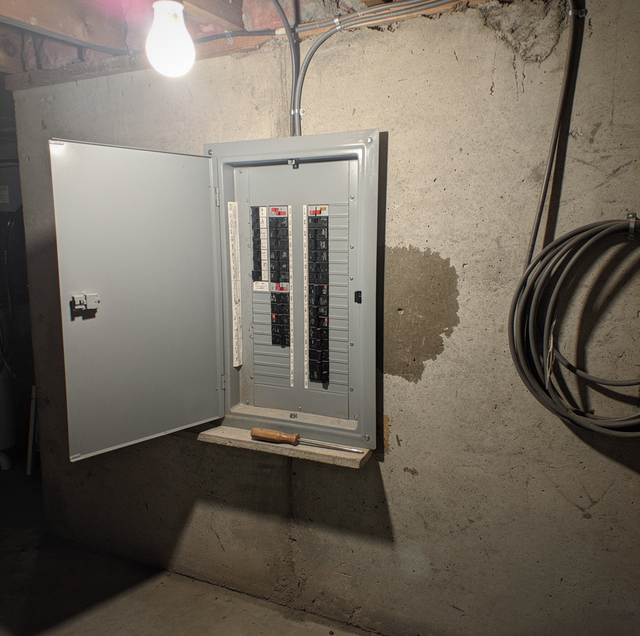
What’s Really Involved in an Electrical Panel Upgrade
Somewhere behind a metal door in your basement, garage, or utility closet sits the single point that every circuit in your house runs through.
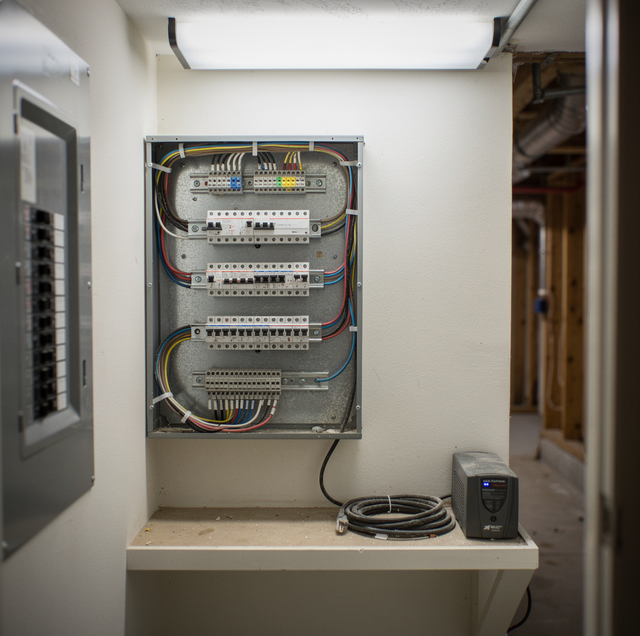
Smart Home Wiring vs. Standard Wiring, Explained
A lot of people assume "smart home wiring" just means swapping a regular light switch for a smart one and calling it done.
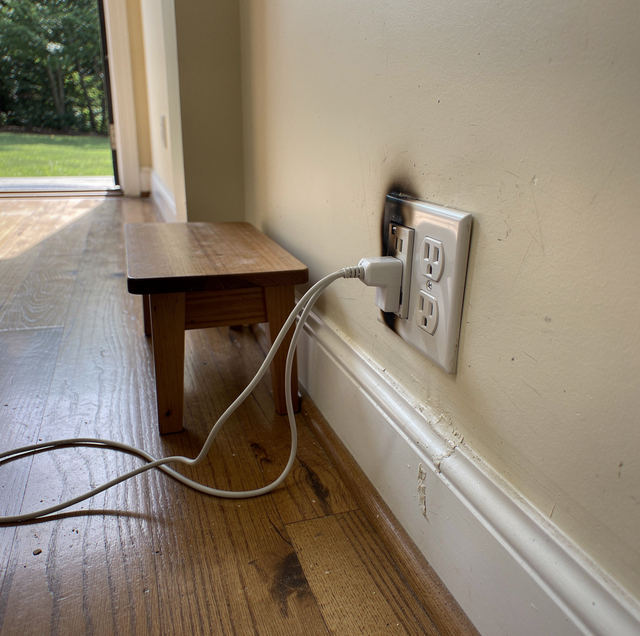
Signs You Need an Emergency Electrician Right Now
The lights flicker, then the smell hits: something like hot plastic, faint but unmistakable, coming from somewhere near the hallway outlet.
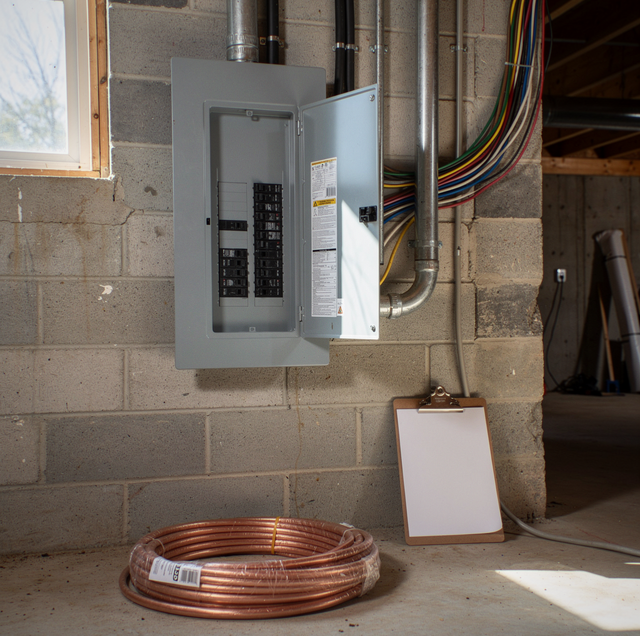
How Home EV Charger Installation Actually Works
The charger shows up in a box a few days after the car does. It looks simple enough: a cable, a wall unit, a plug.
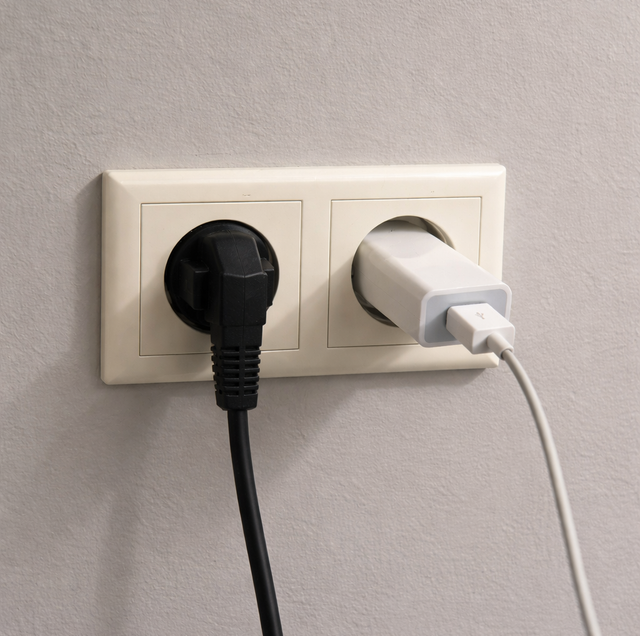
Warm or Scorched Outlet? What the Heat Is Warning You
A healthy outlet stays cool to the touch, even when it is powering a lamp, a charger, or a television all day.
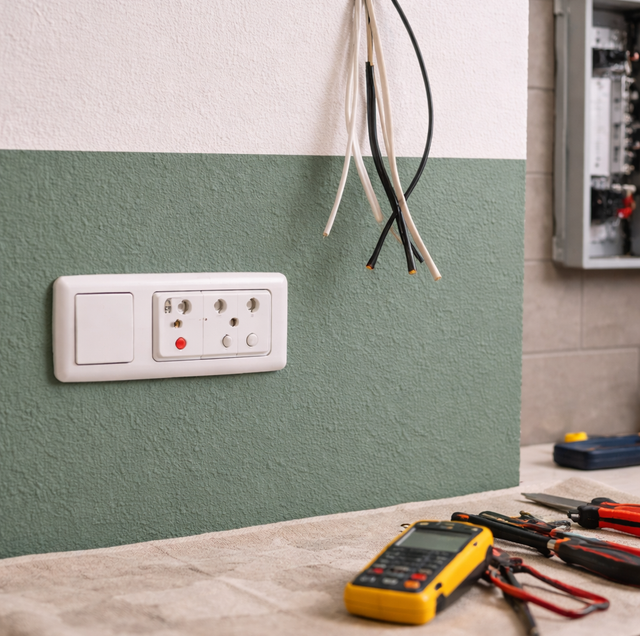
Why Your GFCI Keeps Tripping: 6 Real Causes
That GFCI outlet in the bathroom, garage, or on the back porch is not being difficult for no reason.
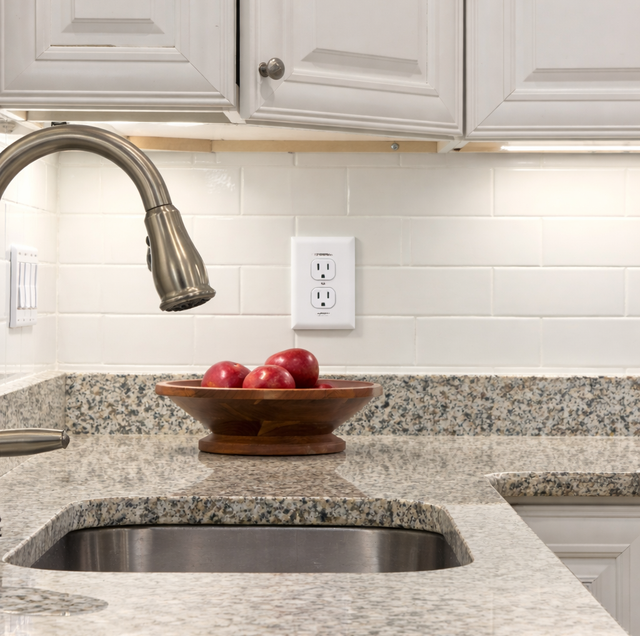
What Is a GFCI Outlet and Where Every Home Needs One
A GFCI outlet is a small safety device with one job: it stops a shock before your body ever feels it.
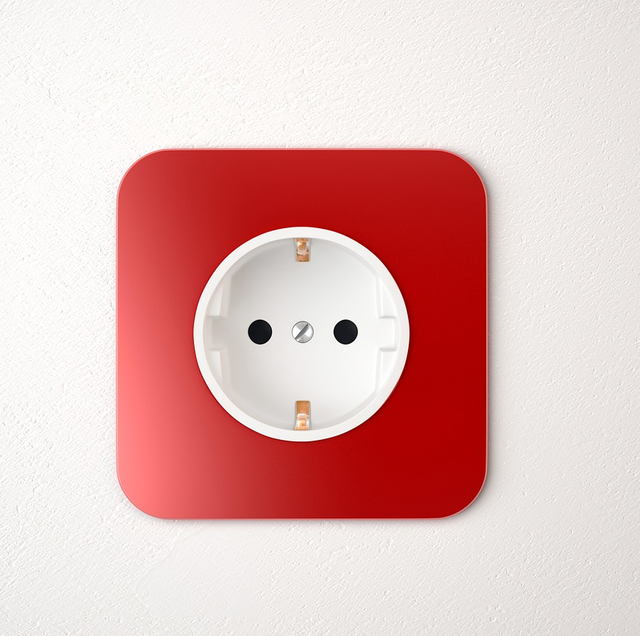
6 Signs You Need More Outlets Before It Starts a Fire
A modern room asks a lot of the wiring behind it. A television, a soundbar, a game console, a router, three phone chargers, a lamp, and a laptop can share a single wall outlet that was installed when a house had a radio and a floor lamp to run.
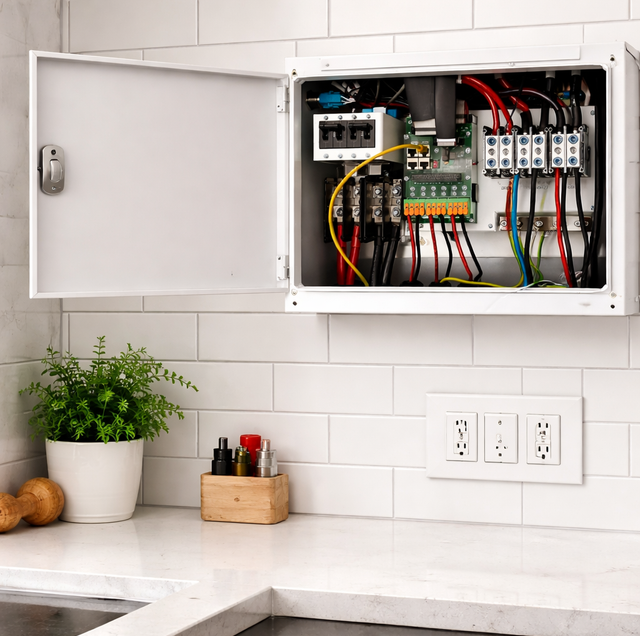
How Many Circuits Does a Kitchen Need? 7 to Plan For
The kitchen you cook in today asks far more of your wiring than the kitchen your house was built with.
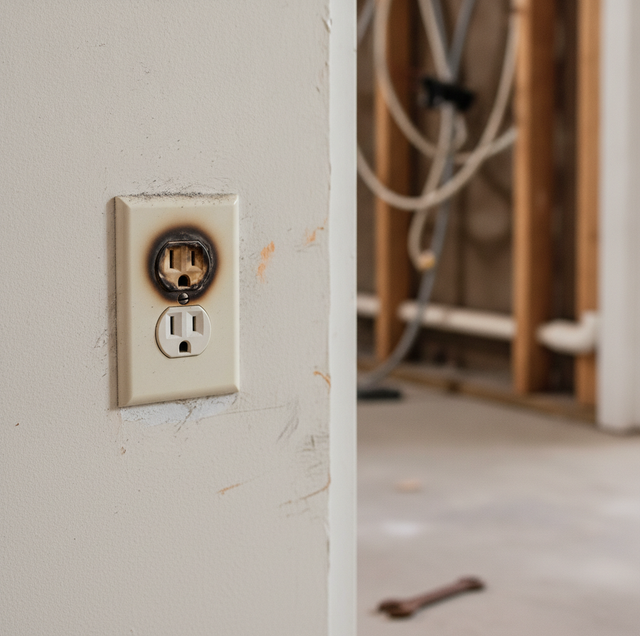
Signs of Outdated or Unsafe Wiring: 12 Red Flags to Catch Early
Wiring rarely fails all at once. Long before a hidden fault turns into a fire inside a wall, the system usually gives you a series of small tells: an outlet that runs warm, a breaker that keeps tripping, and lights that dip every time the microwave kicks on. Most people learn to ignore these because the house still works. The problem is that the house working and the wiring being safe are two different things.
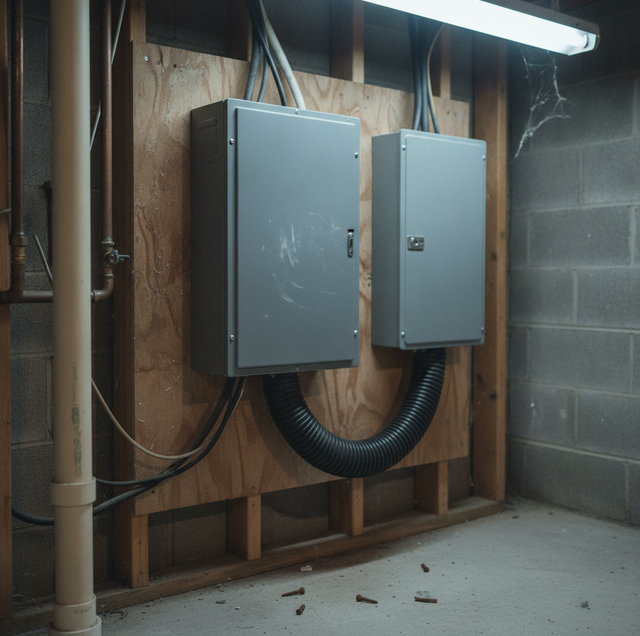
How a Standby Generator Keeps Your Home Powered When the Grid Fails
The moment utility power drops, a well-installed standby generator has your home back on before you have finished reaching for a flashlight. There is no cord to drag out, no pull-start, no fumbling in the dark. The house keeps running. To most people, that looks like magic, but it is a specific sequence of events happening in a specific order, and understanding that sequence tells you a great deal about what a standby generator actually is and why it has to be installed the way it is.

Why Do My LED Lights Buzz on a Dimmer? The Real Cause
You reach over, slide the dimmer down for movie night, and the room fills with a faint but unmistakable buzz. Nudge it back to full, and the noise fades. Somewhere between "off" and "bright," your nice new LEDs have started humming like a distant bug zapper. Nothing looks wrong, nothing feels hot, but that sound wasn't there when the old incandescent bulbs were in the same fixture.
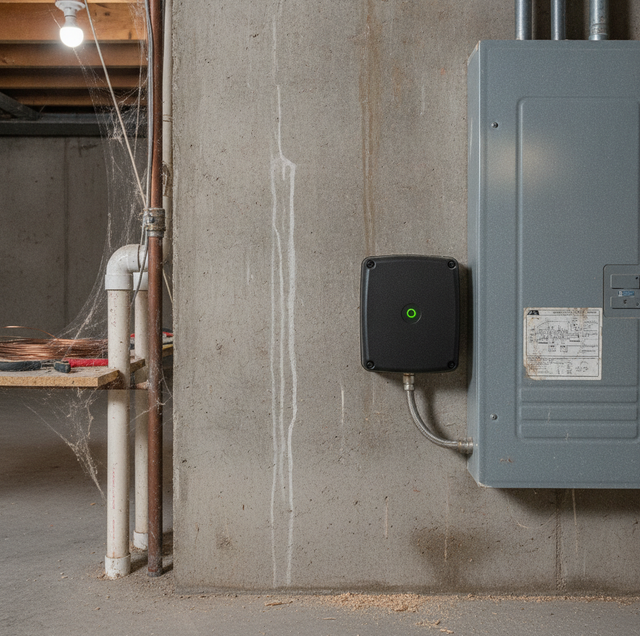
Do I Need Whole-House Surge Protection? What Actually Fries Electronics
A surge is a brief spike in voltage, over in a few millionths of a second, but long enough to punch through the insulation inside a circuit board or scorch a winding in a motor. Sometimes it takes out a device in one hit. More often, it does something quieter and more expensive: it degrades the electronics a little at a time, so a television, a garage-door opener board, or a dishwasher control that should have lasted a decade quits in half that. That slow wear is the part most homeowners never connect to surges, because nothing dramatic happens the day it starts.
Why Is Half My Room Suddenly Without Power?
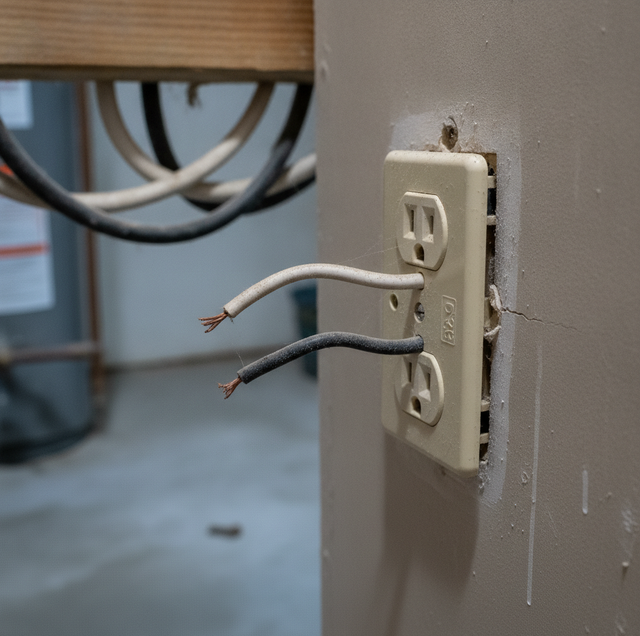
Half a room can go dark for a reason that has nothing to do with the panel. You plug in a lamp, get nothing, try the next outlet, and it is dead too, yet every breaker in the box looks perfectly normal. When a partial outage shows up with no tripped breaker, the power is being cut somewhere along the circuit instead of at the panel, and the list of things that do that is short. One of them takes about a minute to rule out, and the rest are worth understanding before you decide whether to keep poking or pick up the phone.

Lights Flickering or Dimming? What’s Behind It
Flickering or dimming lights can mean almost nothing — or they can be an early warning of an electrical problem. The trick is telling the two apart. Sometimes it's a loose bulb you fix in seconds; other times it points to wiring or panel issues that need a professional. Know the common causes, and which ones are worth worrying about, and you can decide whether to tighten a bulb or pick up the phone. Here's how to read flickering lights.
Signs an Older Virginia Home Needs Rewiring
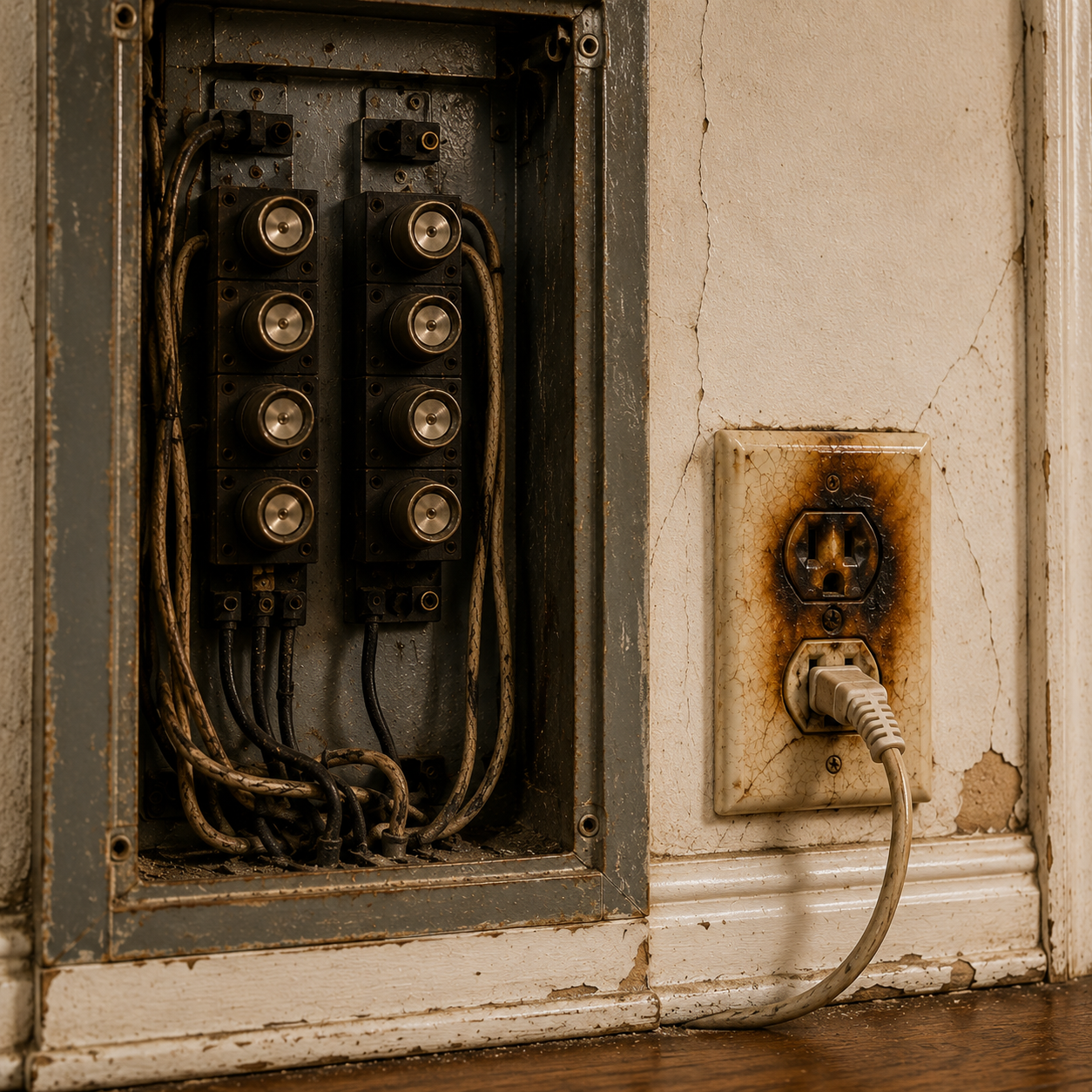
Older homes have plenty of charm, but their electrical wiring often hasn't kept pace with modern needs — or modern safety standards. Wiring installed decades ago was made for the lighter electrical loads of its time, sometimes with materials and methods now considered outdated or unsafe. Recognizing the signs that an older home may need rewiring helps you address a potential safety hazard before it becomes a serious problem. Here's what to look for.