
Smart Home Wiring vs. Standard Wiring, Explained
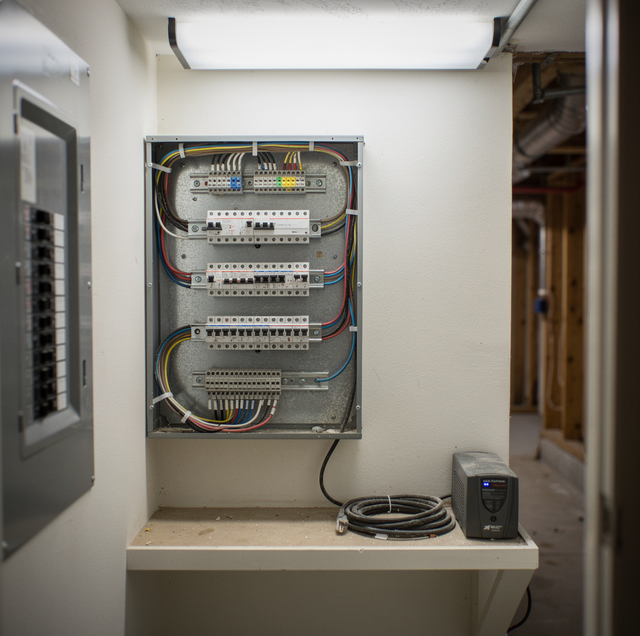
A lot of people assume "smart home wiring" just means swapping a regular light switch for a smart one and calling it done. For a single dimmer or a smart plug here and there, that's mostly true. But once a home starts adding smart thermostats, in-wall keypads, networked cameras, or whole-house audio, the wiring underneath has to handle tasks standard residential wiring was never built to handle, and that's where the two setups actually diverge.
Most Smart Switches Need a Neutral Wire That Older Wiring Skipped
Standard residential wiring for a light switch, especially in homes built before the mid-2010s, often ran only a hot wire and a switch leg to the switch box, with no neutral wire. That worked fine for a basic mechanical switch, which doesn't need constant power to function.
A smart switch is different. It needs continuous low-level power to run its internal electronics and stay connected to a network, and for the vast majority of models that means a neutral wire has to be present in the box. This is the single most common snag when adding smart switches to an older home: the switch box simply doesn't have a neutral wire run to it, because nothing in the original design required one.
Some smart switch manufacturers offer no-neutral models that work around this using the load wire itself, but they come with real trade-offs, including occasional flickering with certain LED bulbs and a smaller compatible device list. Running an actual neutral wire to the box is the more reliable long-term fix, even though it means opening up wall space that a plug-and-play smart switch wouldn't otherwise touch.
Low-Voltage Wiring Runs Alongside Line Voltage, Not Instead of It
Standard wiring is essentially all line voltage: 120 or 240 volts carrying enough current to run lights, outlets, and appliances. A smart home layered with networked devices, security cameras, in-ceiling speakers, or a structured wiring panel adds a second, parallel system of low-voltage wiring, carrying data or small amounts of power (Ethernet, coaxial, speaker wire, and increasingly Power over Ethernet, which delivers both data and low-voltage power over a single cable).
These two systems are typically kept physically separate within walls and panels, since running low-voltage data cable too close to a line-voltage circuit can introduce interference severe enough to disrupt the signal that data cable carries. This is part of why smart home wiring is planned as its own layout, often terminating at a dedicated structured wiring panel in a closet or utility room, rather than just tucked in wherever there's room in the electrical panel.
A Hub or Panel Location Needs Its Own Dedicated Circuit
Many whole-home smart systems, home automation hubs, networking equipment, or structured media panels run continuously and are more sensitive to power interruptions than a light fixture is. A hub that loses power mid-cycle can lose configuration data or drop paired devices, so it is often wired to its own dedicated circuit rather than sharing a circuit with general household loads that cycle other equipment on and off throughout the day.
This is a meaningful planning difference from standard wiring, where a hallway light and a bedroom outlet might reasonably share a circuit without anyone thinking twice about it. A smart hub location gets treated more like a piece of dedicated equipment because interrupting it mid-task causes a different kind of problem than a flickering lamp.
Surge Protection Matters More When More Electronics Are on the Line
Standard wiring in most homes runs through a panel with basic overcurrent protection: breakers that trip on a short or an overload. That's enough to prevent a fire, but it does very little to protect sensitive electronics from the smaller voltage spikes that come through during storms or utility switching events.
A home with networked smart devices, cameras, hubs, and often a home theater or office setup on the same circuits has a lot more equipment that a voltage spike can damage, and each device is typically more expensive and harder to replace than a lamp or a toaster. Whole-home surge protection, installed at the panel, is a more common addition in a smart-wired home for exactly this reason. It's not that the wiring itself is more fragile; it's that there's simply more sensitive equipment connected to it that benefits from the extra layer of protection.
Retrofitting an Older Home Takes More Planning Than New Construction
New construction can plan low-voltage runs, extra neutral wires, and structured wiring locations before the drywall ever goes up, which is why smart home wiring is comparatively simple in a new build. Retrofitting an older or historic home means routing new wiring through finished walls, often fishing cable through existing wall cavities or running it through an attic or crawlspace to reach the right locations without tearing open every wall in the house.
This is one of the areas where Central Virginia's older housing stock adds a layer of complexity that newer construction doesn't have: knob-and-tube or early cloth-insulated wiring in some historic homes isn't compatible with modern low-voltage runs sharing the same space, and a home that hasn't been rewired in decades may need that groundwork addressed before smart devices get layered on top of it.
Where Your Smart Home Project Actually Starts
A single smart plug or one smart bulb doesn't need any of this. The wiring differences start to matter once a home moves toward switches that require a neutral, a hub or panel that needs its own steady circuit, or any low-voltage wiring that needs its own separate path from the line-voltage circuits already in the walls. An electrician evaluating a smart home project is really checking two things: whether the existing wiring can support what's being added, and where new wiring needs to go so the two systems, line voltage and low voltage, don't end up interfering with each other.
Frequently Asked Questions
Some smart thermostat models include a small adapter or "power extender kit" that draws a trickle of power from the heating or cooling system's control wiring rather than requiring a dedicated neutral, though not every HVAC configuration supports this workaround.
No. Most smart home upgrades add wiring only to the specific switches, hubs, or devices involved, not to the entire house. A full rewire only becomes relevant if the home's existing wiring (aluminum wiring or ungrounded circuits, for example) is a separate, unrelated safety concern found during the same evaluation.
A structured wiring panel is a central point, usually in a closet or utility room, where low-voltage cabling for networking, cameras, and audio converge before being distributed throughout the house. It's most useful in homes with several networked systems; a house with just a couple of smart switches typically doesn't need one. That enclosure also needs a standard power outlet nearby to power the switches, routers, and amplifiers mounted inside it, and homeowners with cameras or a security system often add a small battery backup at that location so networking and monitoring gear stays online during a brief outage.
Individually, smart switches, hubs, and cameras draw very little continuous current, usually a few watts each. The load calculation concern comes up more with the equipment layered around them, like networking gear, servers, or home theater systems, not the smart devices themselves.
Running PoE or other low-voltage data cables in the same conduit or bundling them tightly with line-voltage wiring risks interference, so most electricians route the two separately rather than combining them. Keeping the two on separate pathways is part of what a structured wiring plan is designed to address.
A whole-home unit installed at the panel handles larger surges coming in from the utility line, but many electricians still recommend point-of-use surge strips at high-value equipment like home theater or office gear, since the two work at different stages of protection rather than replacing one another.
Wiring a smart home right the first time means an electrician who understands both sides of the panel, the line-voltage circuits and the low-voltage systems layered on top of them.
Schedule a smart home wiring consultation — an electrician will map out what your existing wiring can support and what needs to be added. Wired Up Electrical serves Lynchburg, Forest, and Bedford. Call (434) 254-1264.
