
Signs You Need an Emergency Electrician Right Now
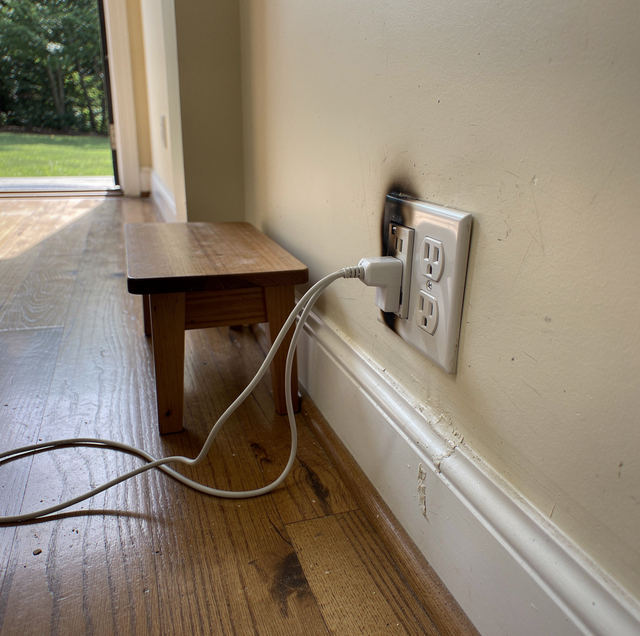
The lights flicker, then the smell hits: something like hot plastic, faint but unmistakable, coming from somewhere near the hallway outlet. It's 9 p.m., and the question running through your head is simple: does this wait until tomorrow, or does someone need to come out tonight? A handful of electrical problems can't wait, and knowing which ones separates a stressful but manageable night from a real risk.
Cut Power to the Area First, Every Time
Before anything else, if you smell burning, see sparks, or notice a scorched outlet or switch, shut off the breaker feeding that circuit at the panel if you can safely reach it. If the panel itself is hot, sparking, or you're not confident which breaker controls the affected area, don't stand there guessing. Leave the area and call for help. A breaker panel is not something to troubleshoot by trial and error while a problem is actively happening.
A Burning Smell With No Obvious Source Is Always an Emergency
An electrical fire often gives off warning smells well before any visible flame, usually described as hot plastic, ozone, or something faintly like an overheated appliance. If that smell doesn't trace back to something obvious, like a space heater running against a curtain, it's coming from inside a wall, an outlet, or the panel itself, and that's not a problem to sit on overnight. Overheated wiring and failing connections can go from warm to smoking in a short window, and by the time a flame is visible, the wiring behind that wall has likely been compromised for some time already.
Sparking or Popping From an Outlet or Switch Means Stop Using It Immediately
A single small spark when plugging something in can sometimes be static or a loose plug and isn't automatically an emergency. Repeated sparking, a popping sound, or visible arcing at an outlet or switch is different: it means the connection inside that device or the wiring behind it is failing under load, generating heat at the point of the fault every time it happens. Stop using that outlet, don't plug anything else into it, and treat it as urgent, especially if it's paired with any smell or discoloration around the faceplate.
A Breaker That Won't Reset Points to an Active Fault, Not a Fluke
A breaker tripping once, from an overloaded circuit or a surge, and resetting normally afterward is a nuisance, not necessarily an emergency. A breaker that trips again immediately, or won't stay reset, usually means there's an active short or ground fault somewhere on that circuit that's tripping the breaker to protect the wiring. Repeatedly forcing that breaker back on doesn't fix the fault; it just keeps testing whether the breaker will catch it in time, which is a bet not worth making overnight.
A Warm Panel, Buzzing Sound, or Visible Discoloration Is Not Normal
A breaker panel operating normally is quiet and cool to the touch from the outside. A panel that's warm, buzzing audibly, or shows any scorching or discoloration around a breaker is showing signs of a connection failing under load, generating heat internally in a spot that's much harder to inspect safely than an outlet. This is one of the clearer signs that call for an emergency visit rather than a wait-and-see approach, since the panel is the single point every circuit in the house runs through.
Standing Water Anywhere Near Electrical Components Changes the Calculus Immediately
Flooding, a burst pipe, or stormwater reaching an outlet, panel, or any wiring changes an ordinary electrical problem into an emergency regardless of whether anything looks visibly wrong yet. Water and live electrical components are a dangerous combination, and the damage from moisture intrusion into wiring or a panel isn't always visible right away. If water has reached anywhere near your panel or outlets, shut off power at the main if it's safe to reach and call for an emergency assessment before restoring anything.
Total Loss of Power to Part of the House, With Neighbors Still Lit Up
Losing power across the whole neighborhood is a utility issue. Losing power to part of your house, or the whole house, while neighboring homes clearly still have power, points to something specific to your service: a failed connection at the meter, a tripped main breaker that won't reset, or damage to the service entrance wiring. This isn't dangerous in every case, but it does mean the problem is on your side of the meter and warrants an emergency call, especially overnight, when refrigeration, medical equipment, or a sump pump depends on that circuit staying live.
What Can Reasonably Wait Until Regular Business Hours
Not every electrical annoyance is an emergency. A single dead outlet with no other symptoms, a flickering bulb that's likely just a loose bulb or fixture connection, or a breaker that tripped once from an overloaded circuit and reset fine afterward are all worth scheduling a normal appointment for rather than calling for an after-hours visit. Save the emergency call for anything involving smell, sparking, heat, a breaker that won't hold, or water intrusion.
Frequently Asked Questions
If the outlet is actively sparking or arcing, don't touch the plug or the outlet at all. Shut off the breaker for that circuit first, then the cord can be removed safely once the circuit is confirmed dead.
Plug in a radio or lamp at the affected outlet, turn it on, and flip breakers one at a time until it shuts off. Label the panel once you find it, since an unlabeled panel slows every future emergency response.
A GFCI that trips and won't reset usually means it detected a ground fault, a real electrical leak somewhere on that circuit, and is refusing to reset for a reason. It's worth an urgent call if it's near water (a kitchen, bathroom, or outdoor circuit) rather than assuming it's just a faulty outlet.
Avoid touching the panel further and don't attempt to open the cover. A warm panel exterior suggests heat is building up at an internal connection, which requires a professional to open and inspect safely rather than being checked by hand.
Aluminum wiring, common in some homes built in the 1960s and 70s, expands and contracts differently than copper at connection points, which can loosen connections over time and increase the odds of the exact overheating and arcing symptoms described above. It's a legitimate reason for extra caution in a home known to have it.
A little warmth from an outlet under sustained heavy load isn't unusual, but hot to the touch, discoloration, or a smell alongside that warmth is not normal and should be treated as a warning sign rather than something to shrug off as expected.
When something behind your walls stops behaving the way it should, don't wait for a convenient time to find out why.
Call now for emergency electrical service — a licensed electrician can respond fast when sparks, smells, or a dead panel can't wait until morning. Wired Up Electrical serves Lynchburg, Forest, and Bedford. Call (434) 254-1264.
