
Warm or Scorched Outlet? What the Heat Is Warning You
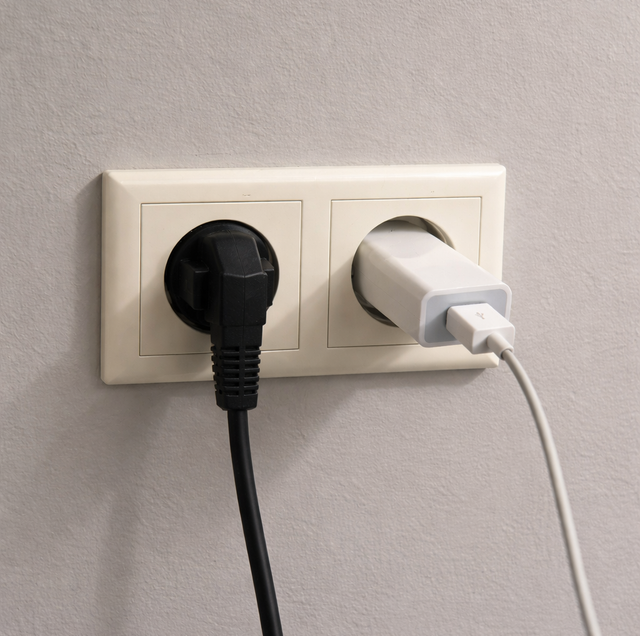
Quick Answer: An outlet should stay cool. Warmth means current is fighting a loose or failing connection and shedding that energy as heat. Mild warmth from a dimmer or fast-charging USB outlet can be normal, but a hot, buzzing, smelling, or scorched outlet is a fire hazard: unplug the load, switch off that breaker, stop using it, and have a licensed electrician find the fault.
A healthy outlet stays cool to the touch, even when it is powering a lamp, a charger, or a television all day. So when you rest your hand on the wall plate and feel warmth, or worse, when you spot a brown halo or a black scorch mark around the slots, the outlet is telling you that electricity is meeting resistance somewhere it should not. That resistance turns into heat, and heat inside a wall cavity is how electrical fires start. A warm outlet is a nudge to investigate. A hot, discolored, or scorched one is a signal to stop using it now.
This is not a repair to shrug off until the weekend, and it is not one to guess your way through. The heat you feel on the faceplate is the small, visible end of a problem that may run deeper into the wall. Below is what actually makes an outlet heat up, how to read the warning signs, what to do the moment you notice them, and where the line sits between a normal warm spot and a genuine hazard.
What Makes an Outlet Heat Up
Electricity moving through solid, tight metal contacts flows freely and stays cool. Heat shows up when that path narrows or loosens. A loose connection forces the same current through a smaller, poorer contact point, and the electrical energy that cannot pass cleanly gets released as heat instead. It behaves a little like a garden hose with a partly crimped section: the water still gets through, but the crimp takes the strain, and that is where the wear concentrates.
Because the heat is created at the fault, it builds right where the problem lives, inside the outlet box, behind the wall, out of sight. That is why a warm faceplate matters more than it looks. By the time the plastic on the front feels hot, the metal contacts and wire behind it are hotter still.
The Common Causes
A loose or worn connection: This is the most frequent culprit. Wires can be "backstabbed" into the quick-connect holes on the back of a cheap outlet rather than wrapped around the screw terminals, and those push-in contacts loosen over time. Terminal screws also work loose from years of thermal expansion and contraction. And the internal contacts that grip a plug's prongs wear out, so they no longer clamp tightly. Any of these leaves a gap where current arcs and heats.
An overloaded or shared circuit: A space heater, window air conditioner, hair dryer, or portable AC pulls a heavy, sustained load. Run one on a circuit that is undersized or already shared with other rooms, and the wiring and outlet carry more current than they were sized for. The outlet warms because the whole circuit is working near its limit. High-draw appliances belong on a circuit that can handle them.
An outlet at end of life: Receptacles are mechanical parts, and their spring contacts fatigue. An outlet that has served heavy use for many years may simply be worn out, gripping loosely and running warm even under a modest load.
Aluminum wiring or a bad splice: Homes wired with aluminum branch circuits during a specific stretch of the 1960s and 1970s are prone to trouble where aluminum meets a device or a copper wire. Aluminum expands, contracts, and oxidizes differently than copper, so connections loosen and corrode, and those junctions overheat. This wiring needs specific rated connectors and a trained hand, never an ordinary swap.
A loose plug that arcs: When a plug no longer seats snugly, it can arc across the tiny air gap between prong and contact. Repeated arcing pits the metal, pits raise resistance, and resistance makes more heat, a cycle that feeds itself.
A wiring fault upstream: Sometimes the outlet is fine, and the real trouble is a loose connection in a junction box, a failing breaker, or a wire nicked during an old repair. The warm outlet is just where the symptom surfaces.
The Warning Signs to Take Seriously
Your senses catch most of these before any tool does. Watch and listen for:
- Warmth or heat on the outlet or its faceplate, especially when nothing high-draw is plugged in.
- A burning, fishy, or hot-plastic smell near the outlet. This means components are already cooking, and it is the most urgent sign on this list.
- Buzzing, sizzling, or crackling coming from the wall, which points to arcing.
- Discoloration or scorch marks, a brown or yellow halo, or black streaks around the slots.
- A plug that falls out or feels loose when you insert it, a sign the contacts are worn.
- Visible sparking beyond the small, single spark you sometimes see the instant a plug goes in.
One sign warrants a call. A burning smell or scorch marks warrant killing power first, then calling.
What to Do the Moment You Notice It
Move in this order, and do not skip ahead to "just replace it."
Unplug the load. Remove whatever is plugged in, carefully, by the plug body and not the cord. Reducing the current draw takes stress off the heated connection right away.
Switch off the breaker for that circuit. At the panel, flip off the breaker feeding that outlet. If you are not sure which one it is, and there is any smell or discoloration, it is reasonable to shut off the main. Cutting power stops the heating at its source.
Stop using the outlet. Do not plug anything back in "just to test it," and do not move the same load to the outlet next to it, which may be on the same troubled circuit.
A hot, buzzing, smelling, or scorched outlet is a fire hazard. Unplug the load, switch off that breaker at the panel, and stop using the outlet until a licensed electrician finds the fault. If you smell burning or see smoke, kill power and call the same day, and if there is smoke or visible flame, get everyone out and call 911 first.
Why This Is Licensed-Electrician Work
It is tempting to grab a screwdriver and swap the outlet yourself, and for a warm outlet that looks harmless, that instinct is understandable. Resist it if you are not certain what you are doing. The voltage inside that box is lethal, and the fault may not be in the outlet at all. If the real problem is a loose neutral in a junction box or an overloaded circuit, a shiny new receptacle will heat up too, and you will have spent effort masking a live hazard.
An electrician does more than replace the part. They check the connections, confirm the wire gauge matches the breaker, look for backstabbed wires and heat damage further up the line, and verify the circuit is not carrying more than it should. Aluminum wiring in particular calls for connectors rated for it and a specific technique to make a lasting, safe joint. Opening the wall or the box without that knowledge risks a shock, and it risks leaving the real fault in place.
Is Some Warmth Ever Normal?
Yes, in a couple of narrow cases, which is why "warm" and "hot" are worth separating. A dimmer switch that controls a heavy lighting load runs slightly warm by design, because dimming electronics give off a little heat as they work; mild warmth there is expected. A USB or USB-C outlet doing fast charging also runs gently warm, since the charging circuitry inside converts power and sheds some heat in the process. In both cases, the warmth is faint, steady, and even across the device.
The line to watch: it should never be hot enough to be uncomfortable to hold, never accompanied by a smell, a sound, or any discoloration, and a standard receptacle powering ordinary plugs should stay cool, not warm at all. If a plain outlet is warm, or if any outlet is hot, smells, buzzes, or shows a mark, it has crossed from normal into fault territory and deserves a look.
Frequently Asked Questions
A three-light plug-in tester checks for reversed wires, an open ground, or an open neutral, and it is useful for confirming basic wiring orientation. But it does not measure a loose connection, a worn contact, or the resistance that causes heating, and it draws almost no current, so a failing outlet can pass the test and still overheat under a real load. It is a screening tool, not a substitute for an electrician opening the box.
Not directly against heat. A GFCI watches for current leaking to ground and protects against shock; an AFCI is designed to catch the erratic electrical signature of arcing and can trip on a bad connection that arcs. But a slowly loosening screw terminal can heat up steadily without producing the arc signature an AFCI looks for, so these devices reduce risk without guaranteeing an overheating outlet will trip a breaker. Never rely on them to catch a hot outlet for you.
Yes, and often a more telling one. With no load drawing current, an outlet has no reason to generate heat, so warmth on an empty receptacle points to a fault upstream, such as a loose wire feeding the box, a bad splice, or a shared neutral carrying current from another circuit. Because the source is behind the wall rather than at the plug, this case in particular is one to shut off and have traced rather than investigate yourself.
Those two receptacles are very likely on the same branch circuit, wired in series through a chain of boxes. Current passes through each box's connections on its way down the line, so a loose or overloaded condition can raise the temperature at more than one point along that run. It is a clue that the fault, or the overload, involves the circuit itself rather than a single failed outlet, which is exactly the kind of pattern an electrician traces.
Not as a fix for the heat, and not without checking first. An older two-prong receptacle usually means there is no ground wire in that box, and simply installing a three-prong outlet creates a false ground that looks safe but is not. The warmth still needs its own diagnosis, and whether a grounded or GFCI-protected receptacle is appropriate depends on what the wiring behind it actually offers. That determination belongs to an electrician who can see the wiring.
There is no safe number to memorize, because the danger is inside the wall, not on the faceplate you can touch. By the time the plastic front is hot enough to notice, the metal contacts behind it are considerably hotter, and heat that discolors or deforms plastic is well into the range that can ignite dust, insulation, or the wire's own jacket. Treat any warmth on a standard outlet, and any heat you would call uncomfortable, as reason enough to cut power and call, rather than waiting for a temperature that feels like a threshold.
Have a warm or scorched outlet checked before it becomes a fire — a licensed electrician can find the real fault fast. Wired Up Electrical serves Lynchburg, Forest, and Bedford. Call (434) 254-1264.
