
Building It Right the First Time: Electrical System Installation Myths in Homes
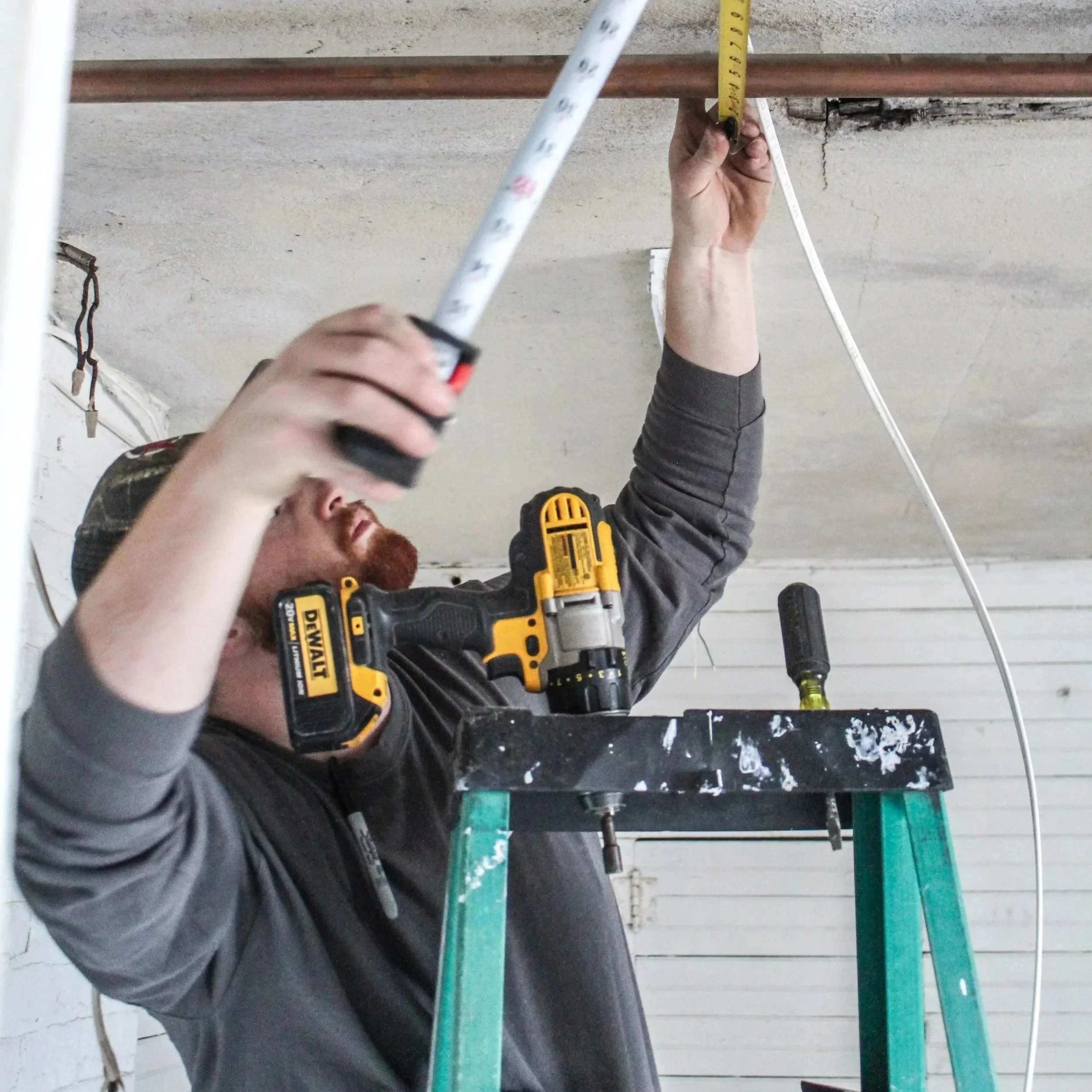
Electrician running ceiling wiring from ladder, securing cable and drilling mounts during professional electrical installation inside residential space home project.
Every home relies on electricity, yet most homeowners rarely consider the complexity behind the outlets and switches they use daily. Many assume that if the lights turn on and the appliances function, the electrical system must be fine. That assumption can create a false sense of security. Electrical systems age, technology evolves, and energy demands increase, often leaving older wiring, panels, and grounding methods struggling to keep up. Professional electrical system installations focus on safety, efficiency, and long-term reliability rather than quick fixes or temporary solutions.
Modern households require systems capable of supporting multiple devices simultaneously, from computers and smart appliances to energy-intensive kitchen equipment. Overloaded or outdated systems can lead to breaker trips, voltage fluctuations, or even fire hazards. Understanding common myths about electrical systems helps homeowners make smarter decisions, protect their investment, and maintain a safe, functional environment for everyone in the home.
Older Electrical Systems Are Still Good Enough
Many homeowners trust older electrical systems simply because they have not failed yet. Lights still turn on, outlets still power devices, and breakers rarely trip. That surface-level reliability often masks serious underlying issues, including deteriorating insulation on wiring, outdated grounding practices, and undersized conductors. Electrical systems can quietly deteriorate over time, posing hidden risks to safety and performance.
Homes built decades ago were designed for simpler lifestyles with lower energy demands. Back then, households might have had a single television, a few lamps, and a refrigerator. Today, multiple computers, smart devices, security systems, and energy-intensive appliances operate simultaneously, often overloading outdated systems that were never designed to handle such demands.
Electrical system installation professionals begin with a thorough evaluation rather than assumptions. Electricians assess wiring integrity, panel capacity, grounding quality, and load distribution. Updating older systems reduces hidden vulnerabilities while aligning the home with modern safety standards and energy requirements, providing reliable performance and peace of mind.
Bigger Panels Automatically Solve Electrical Problems
Many homeowners believe that installing a larger electrical panel will solve all power issues. Higher amperage means instant freedom from outages and a guarantee of system readiness. While panel capacity is essential, an electrical system installation involves careful planning beyond simply installing a larger box.
Panels without proper circuit design can still experience uneven loads, voltage drops, or inefficiencies. Breaker sizing, wire gauge, and circuit layout all affect how electricity flows through a home. Installing a bigger panel without addressing these factors may relocate the problem rather than resolving it.
Electricians approach panel upgrades strategically by analyzing household energy consumption, balancing loads, and planning for future demands. Integrating a larger panel with thoughtfully designed circuits delivers consistent power, reduces system stress, and enhances overall efficiency, providing both short-term performance and long-term reliability.
Electrical Codes Are Just Suggestions
Some homeowners view electrical codes as unnecessary or overly cautious. They may treat regulations as paperwork rather than critical safety measures. In reality, electrical codes are developed through decades of research, testing, and lessons learned from real-world failures.
Following current codes during electrical system installations reduces risks such as overheating, arc faults, and improper grounding. Codes evolve to match modern technology and construction practices, reflecting what works safely in practical applications. Ignoring them often leads to hidden hazards that may only appear when damage occurs.
Licensed electricians stay current with electrical codes and integrate them into every installation. Compliant systems meet inspection standards, protect homeowners, and reduce the likelihood of repairs or liability issues. Working within code provides long-term safety and reliability while safeguarding property and occupants.
All Wiring Materials Perform The Same
Many homeowners assume all wiring materials perform equally because they appear similar. Copper conductors with insulation may look interchangeable, but an electrical system installation requires careful material selection based on load, location, and environmental conditions.
Different wiring types react differently to heat, moisture, and mechanical stress. Electricians select conductors and insulation depending on whether the wiring is installed in attics, basements, exterior walls, or crawl spaces. Each area presents unique challenges that affect the material choice and overall system performance.
Proper wiring selection enhances voltage stability, reduces the risk of failures, and prolongs system life. Poor material choices may go unnoticed for years, surfacing only when damage occurs or repairs become costly. Professional electricians prioritize quality materials to support consistent, long-term performance and reliability.
New Construction Does Not Need Surge Protection
Many homeowners believe that new homes do not require surge protection because modern wiring feels safe. An electrical system installation without surge protection exposes sensitive electronics, appliances, and smart devices to sudden voltage spikes from the moment the system is energized.
Power surges occur from more than lightning; utility switching, nearby equipment, and weather events frequently send voltage spikes through homes. Even small surges can gradually damage appliances, shorten their lifespans, and lead to costly replacements.
Professional electricians integrate whole-home surge protection during installation. These systems protect HVAC units, electronics, and appliances, minimizing the risk of spikes and fluctuations. Adding surge protection during the installation process preserves system reliability and prevents future headaches for homeowners.
Outlets And Switches Are Simple Add-Ons
Homeowners often view outlets and switches as purely decorative, focusing on appearance rather than placement, spacing, and circuit assignment. A poorly planned layout can affect both convenience and safety, making it harder to use the home efficiently. An electrical system installation treats outlets and switches as essential components of a home's functionality, taking into account how residents interact with their space daily and anticipating device usage, furniture arrangement, and future needs.
Properly positioned outlets reduce reliance on extension cords and power strips, which can create clutter and fire hazards. Electricians assess traffic flow, room layouts, and high-use areas to determine optimal placement for kitchens, living rooms, home offices, and entertainment spaces. Thoughtful switch and outlet planning improves lighting control, supports smart devices, enhances safety, and creates a more comfortable, functional home environment while maintaining the long-term reliability of the electrical system.
Lighting Choices Do Not Affect Electrical Design
Many homeowners assume lighting decisions are purely aesthetic and can be made late in construction. In reality, fixture types, control systems, and total load requirements directly influence electrical system installations and the overall electrical planning of the home. Choices such as recessed lighting, chandeliers, or wall sconces impact wiring routes, transformer placement, and breaker sizing, making early consultation with electricians critical.
Different lighting options, including LEDs, landscape illumination, and smart controls, each require careful planning for voltage, current load, and installation logistics. Overlooking these factors can lead to overloaded circuits, uneven illumination, or the need for costly modifications after walls and ceilings are finished. Planning ahead allows for seamless integration of both traditional and advanced lighting systems.
Collaborating with electricians early in the design process helps homeowners strike a balance among aesthetics, functionality, and energy efficiency. Coordinated electrical planning prevents circuit conflicts, reduces unnecessary labor, and confirms reliable performance. A well-planned system allows future upgrades to smart controls or additional fixtures without invasive rewiring, saving time and money in the long run.
Grounding Only Matters For Major Appliances
Grounding often receives attention only around major appliances or the main panel, yet it plays a critical role throughout the entire electrical system. Continuous grounding maintains stable voltage, protects devices, and prevents shock hazards, supporting sensitive electronics and surge protection devices while safeguarding the home's overall electrical health. Improper or incomplete grounding can lead to flickering lights, damaged equipment, or tripped breakers, creating both safety risks and operational issues.
Professional electricians carefully inspect grounding systems, identifying corrosion, outdated methods, or loose connections that may be hidden behind walls. Correcting these issues strengthens safety across the entire home, improves system performance, and protects valuable electronics and appliances. Regular assessments keep minor issues from escalating into serious hazards, maintaining reliable, safe, and efficient electrical operation for years to come.
Future Proofing Is Optional
Some homeowners focus strictly on immediate needs, leaving future growth unplanned. Electrical system installations without long-term planning can result in expensive, disruptive upgrades as homes adopt new technologies or experience higher energy demands. Forward-thinking planning protects both budgets and household convenience.
Modern homes increasingly rely on electric vehicles, home offices, smart appliances, renewable energy systems, and automated home controls. Each of these additions increases load on the electrical system, and older systems can struggle to keep up without upgrades. Anticipating future demands allows the system to accommodate changes without requiring invasive rewiring or panel modifications.
Electricians build flexibility into electrical systems with extra panel capacity, accessible conduit pathways, and adaptable circuit layouts. This approach allows homes to evolve with growing families or technology updates efficiently and safely. Proper future planning confirms the electrical system remains reliable, functional, and safe for decades, avoiding repeated construction and costly retrofits.
Electrical Work Ends When Construction Ends
Many homeowners believe electrical work concludes once construction is complete, yet electrical system installations mark the beginning of the system's operational life. Professional oversight does not stop after the final switch is installed or the last outlet is wired. Homes change over time, and electrical systems require ongoing attention to maintain optimal performance.
Electrical demands evolve as technology advances, families grow, and devices increase in number and complexity. Even a perfectly installed system may become less efficient or safe over time without periodic evaluation. Adjustments, updates, and maintenance help accommodate new technology and prevent potential hazards before they become serious.
Professional electricians remain available for long-term inspections, maintenance, and upgrades. Ongoing support preserves reliability, safety, and efficiency while extending the system's lifespan. Regular professional involvement reduces stress, minimizes unexpected repairs, and provides homeowners with peace of mind, knowing their home's electrical system is prepared for whatever the future may bring.
FAQs – Electrical System Installation & Upgrade
Signs include flickering lights, warm outlets, frequent breaker trips, and limited capacity for modern devices. A professional inspection identifies hidden issues before they become dangerous.
Older systems may function normally while hiding risks. Professional evaluations identify hazards and recommend upgrades to improve safety and performance.
Panel upgrades help, but proper circuit design, breaker sizing, and balanced wiring are equally critical for reliable and safe performance.
Voltage spikes from utility activity, weather events, or nearby equipment can damage appliances and electronics. Whole-home surge protection protects investments and extends equipment life.
Periodic inspections every few years, or before major upgrades, h
Wired Up Electrical offers professional general electrical services, electrical panel and service upgrades, wiring and rewiring services, and lighting installation & repair services in Forest, VA, and surrounding areas. Homeowners in the region can count on us to keep their home electrical system running smoothly. Call now to request a free estimate.
