
Not Every Wall Is Ready: Outlet Installation Myths in Forest, VA And Surrounding Area Homes
Outlet installation often sounds like a minor upgrade, but it can be more complex than most homeowners expect. In many Forest, VA and Surrounding Area homes, outlets are treated as simple conveniences rather than components of a carefully balanced electrical system. A new outlet may support modern living, but adding one without understanding the structure behind the wall can introduce hidden risks. From wiring age to circuit demand, every outlet plays a role in how safely electricity moves through a home.
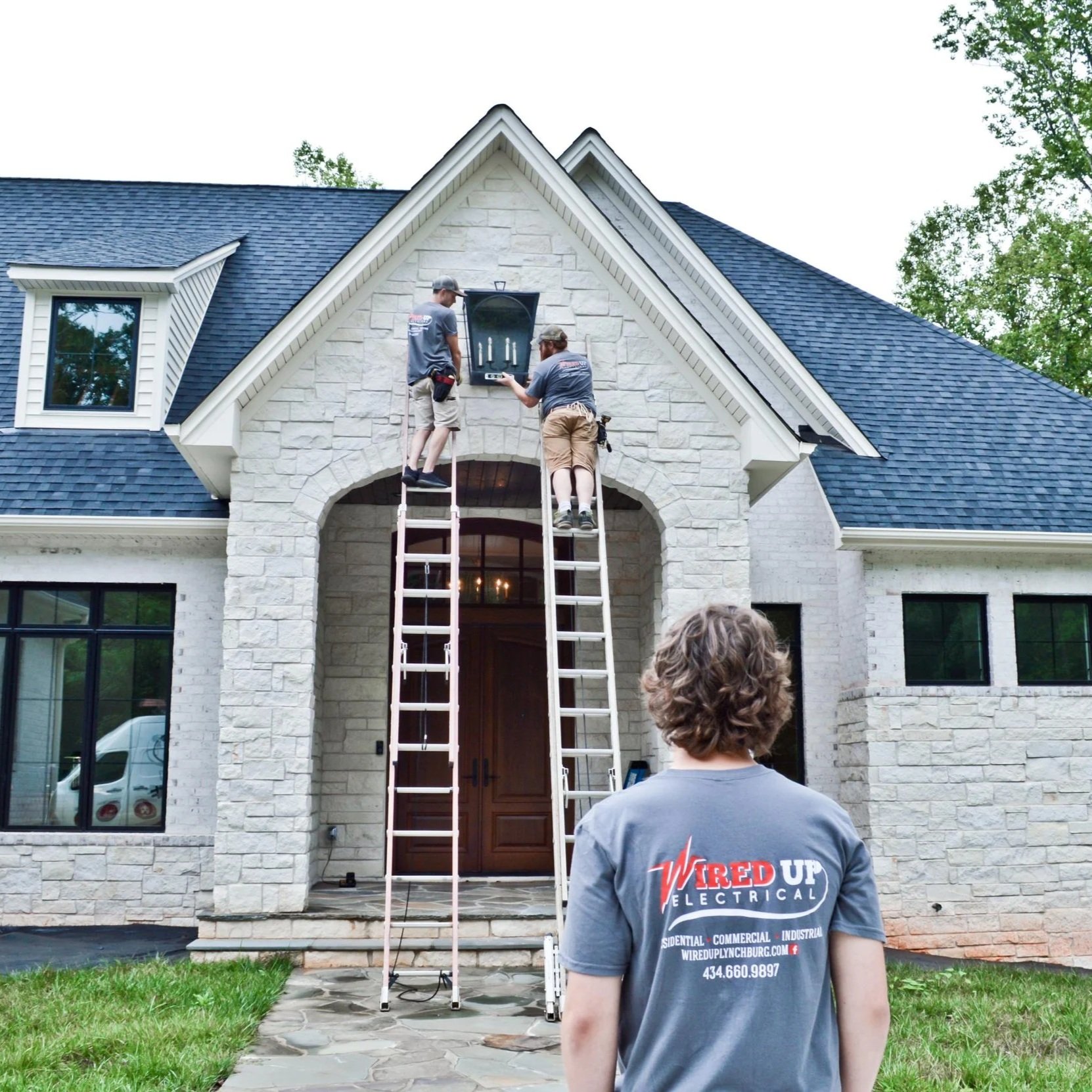
Electricians install exterior outlets on a residential home, ensuring safe placement, proper wiring, and code-compliant power access.
Professional electricians approach outlet installation as part of a larger system, not a single task. Homes across Forest, VA and Surrounding Area range from historic properties with original wiring to newer builds that already operate near capacity. Misunderstandings about outlet placement, wiring requirements, and safety requirements often lead to overloaded circuits, failed inspections, or ongoing performance issues. Addressing common myths helps homeowners make decisions that support safety, reliability, and long-term comfort.
Any Wall Can Handle A New Outlet
A common assumption suggests that any wall can easily support a new outlet. Many homeowners picture empty cavities behind drywall, ready for wiring. Outlet installations often reveal a different reality once professionals evaluate the space.
Walls often contain plumbing lines, HVAC ductwork, fire blocking, insulation barriers, or structural framing that restricts safe wiring paths. In older Forest, VA and Surrounding Area homes, materials and layouts vary widely, increasing complexity. Cutting into the wrong location can damage essential systems or create safety hazards.
Professional electricians assess wall composition before recommending outlet placement. Stud spacing, existing utilities, and access points all influence feasibility. A wall that appears ideal from the outside may require creative routing or alternate solutions to support safe outlet installation without compromising the home.
All Outlets Use The Same Wiring
Another widespread myth holds that all outlets use the same wiring regardless of location or purpose. Outlet installation depends heavily on wire gauge, insulation type, and circuit design, which vary based on expected usage.
Kitchen outlets often support appliances that draw more power than those in bedrooms or hallways. Bathrooms, laundry areas, and garages introduce moisture and equipment demands that require specific wiring considerations. Older wiring types may not support modern outlet usage safely.
Professional electricians evaluate existing wiring before adding outlets. In some cases, upgrading wiring or rerouting circuits becomes necessary. Treating all outlets as identical ignores load requirements and safety standards that protect Forest, VA and Surrounding Area homes from overheating and electrical failure.
Adding One Outlet Will Not Affect The Circuit
Many homeowners believe adding a single outlet will not affect an existing circuit. An outlet installation shows how even small changes can influence electrical flow. Circuits operate within defined limits that must be respected.
Each outlet adds potential demand, whether immediately or in the future. Over time, additional devices strain wiring and breakers, leading to nuisance trips or reduced performance. Lights may dim, outlets may feel warm, and components may wear faster.
Professional electricians calculate circuit capacity before installing new outlets. Outlet installation includes evaluating the current load and anticipated use. Planning prevents system stress and supports consistent, reliable power throughout the home.
Older Homes Can Handle Modern Outlet Demands
Forest, VA and Surrounding Area historic homes offer charm, but many were built long before modern electrical needs existed. A common myth assumes these homes can support today's outlet usage without upgrades. Outlet installation in older properties often reveals significant limitations.
Knob and tube wiring, aluminum conductors, or undersized panels struggle under modern demand. Adding outlets without addressing these issues increases fire risk and reduces system reliability. Appliances and electronics place far greater loads on wiring than older designs anticipated.
Professional electricians assess the entire electrical system before proceeding. Recommendations may include panel upgrades or circuit additions. Outlet installation in older homes requires balancing preservation with safety to support modern living responsibly.
GFCI And AFCI Protection Is Optional
Some homeowners view GFCI and AFCI outlets as optional upgrades rather than essential safety components. That belief usually stems from older homes built before modern electrical codes existed. Outlet installation today must follow updated safety standards that require specific protections in defined areas of the home because electrical risk varies by location and usage.
Bathrooms, kitchens, laundry rooms, garages, basements, and outdoor areas require GFCI protection to reduce the risk of shock where moisture is present. AFCI protection addresses a different danger by detecting arcing faults that can start fires inside walls long before smoke becomes visible. These protections exist because electrical incidents often occur silently and without warning in high-risk environments.
Professional electricians stay current with Forest, VA and Surrounding Area code requirements and understand where each type of protection applies. Outlet installation includes selecting the correct devices based on room function, circuit design, and load expectations. Treating safety protections as optional increases exposure to shock hazards, fire risk, and failed inspections that could have been avoided with proper planning.
Extension Cords Are a Long-Term Solution
Extension cords often start as short-term fixes that quietly turn into permanent wiring substitutes. Many homeowners rely on cords rather than installing outlets to power electronics, appliances, or home office setups. Over time, cords blend into daily life and go unnoticed, even as risk increases.
Extension cords are not designed for continuous or concealed use. Heat buildup, insulation wear, and crushed cords under furniture raise the likelihood of electrical failure. Overloaded cords also stress outlets and connected devices, increasing the chance of tripped breakers or damaged equipment.
Professional electricians recommend outlet placement that matches how rooms are actually used. Outlet installation reduces reliance on cords by providing power where it is needed most. Permanent solutions improve safety, reduce clutter, and support everyday convenience without introducing hidden hazards.
Outdoor Outlets Are The Same As Indoor Ones
A common misconception is that outdoor outlets function exactly like indoor outlets, with no additional requirements. Outdoor outlet installation requires careful planning due to exposure to moisture, temperature changes, and environmental debris that indoor outlets never encounter.
Outdoor outlets must use weather-resistant devices, proper covers, and the correct mounting height to reduce the risk of shock and corrosion. Placement matters just as much as materials, especially near irrigation systems, patios, and landscaping features. Improper installations allow water intrusion, compromising performance and creating unsafe conditions.
Professional electricians design outdoor outlet installations with durability and long-term reliability in mind. Proper materials and techniques protect outlets through seasonal changes common in Forest, VA and Surrounding Area. Outdoor electrical access should remain dependable without introducing unnecessary risk to people or property.
Smart Outlets Work Anywhere
Smart outlets promise convenience, automation, and energy awareness, leading many homeowners to believe they can easily replace any existing outlet. Outlet installation for smart devices requires more consideration than appearance or app compatibility alone.
Voltage stability, grounding quality, and circuit condition all influence how well smart outlets perform. Older wiring, shared circuits, or inconsistent power can cause smart outlets to disconnect, reset, or behave unpredictably. Not every location supports connected technology reliably without evaluation.
Professional electricians assess compatibility before installing smart outlets. Outlet installation includes verifying wiring condition, grounding integrity, and load capacity. Smart technology performs best when supported by a stable electrical foundation rather than being added as an afterthought.
Permits Are Not Necessary For Outlet Installation
Some homeowners assume permits apply only to large-scale renovations or panel upgrades. Outlet installation may require permits depending on the scope, location, and local regulations in Forest, VA and Surrounding Area. Permit requirements exist to protect safety and verify compliance.
Permits confirm that work meets current codes and that wiring methods follow accepted standards. Skipping permits can create complications during home sales, remodeling projects, or insurance claims. Unpermitted work often surfaces during inspections, making corrections more costly.
Professional electricians manage permitting as part of the service. Outlet installation completed with proper documentation protects homeowners in the long term and avoids unnecessary setbacks. Compliance supports safety while preserving property value and peace of mind.
Outlet Placement Is Only About Convenience
Many homeowners focus solely on convenience when deciding where to place outlets. Outlet installation also considers safety, circuit balance, and how spaces evolve. Convenience alone rarely results in the safest or most efficient layout.
Poor placement leads to overcrowded outlets, power strips, and extension cords clustered in one area. That concentration increases electrical stress and reduces system performance. Thoughtful placement distributes usage more evenly across circuits.
Professional electricians design outlet placement strategically. Outlet Installation accounts for furniture layout, appliance use, future technology needs, and room flow. Proper planning improves functionality while supporting long-term electrical health throughout the home.
Professional Installation Prevents Costly Mistakes
Outlet installation myths often stem from oversimplifying electrical work. Professional electricians approach installations with system-wide awareness that identifies risks before they become problems. Experience replaces assumptions with informed decision-making.
Misplaced outlets, overloaded circuits, and improper wiring create ongoing frustrations that grow over time. These issues often lead to repeated breaker trips, limited usability, or costly corrections later. Professional planning addresses these challenges at the start.
In Forest, VA and Surrounding Area homes, professional outlet installation supports safety, convenience, and long-term reliability. Expertise transforms common misconceptions into solutions that protect homeowners, electrical systems, and daily comfort for years to come.
FAQs – Professional Outlet Installation in Forest, VA and surrounding areas
Professional outlet installation includes circuit evaluation, proper wiring, code compliance, safe placement, and permitting based on the home’s layout and usage needs.
Older homes may require wiring or panel upgrades before adding outlets. A professional assessment determines the safest and most effective approach.
Only specific locations require GFCI protection, such as kitchens, bathrooms, garages, and outdoor areas, based on current electrical code requirements.
Breaker trips often indicate circuit overload. Professional outlet installation evaluates load capacity before adding outlets to prevent electrical issues.
Professional electricians deliver safe, code-compliant installations that protect wiring, devices, occupants, and long-term property value.
Wired Up Electrical boasts a team of highly qualified electricians with a strong reputation for offering top-quality outlet, switch, & fixture services, circuits & power distribution, and EV charging station services. Serving Forest, VA, and the surrounding areas, we ensure cost-effective solutions with prompt response and clear communication. Call today to learn more.
