
Safety That Reacts Fast: AFCI and GFCI Breakers Explained for Forest, VA and surrounding areas
Electrical safety has come a long way from the days when protection meant a single breaker and a lot of hope. Homes in Forest, VA and surrounding areas now rely on electricity for nearly every aspect of daily life, from climate control and cooking to entertainment and remote work. As electrical usage grows more complex, safety systems have had to evolve just as quickly. That evolution led to the development of AFCI and GFCI breakers, devices designed to react faster and smarter than traditional breakers ever could.
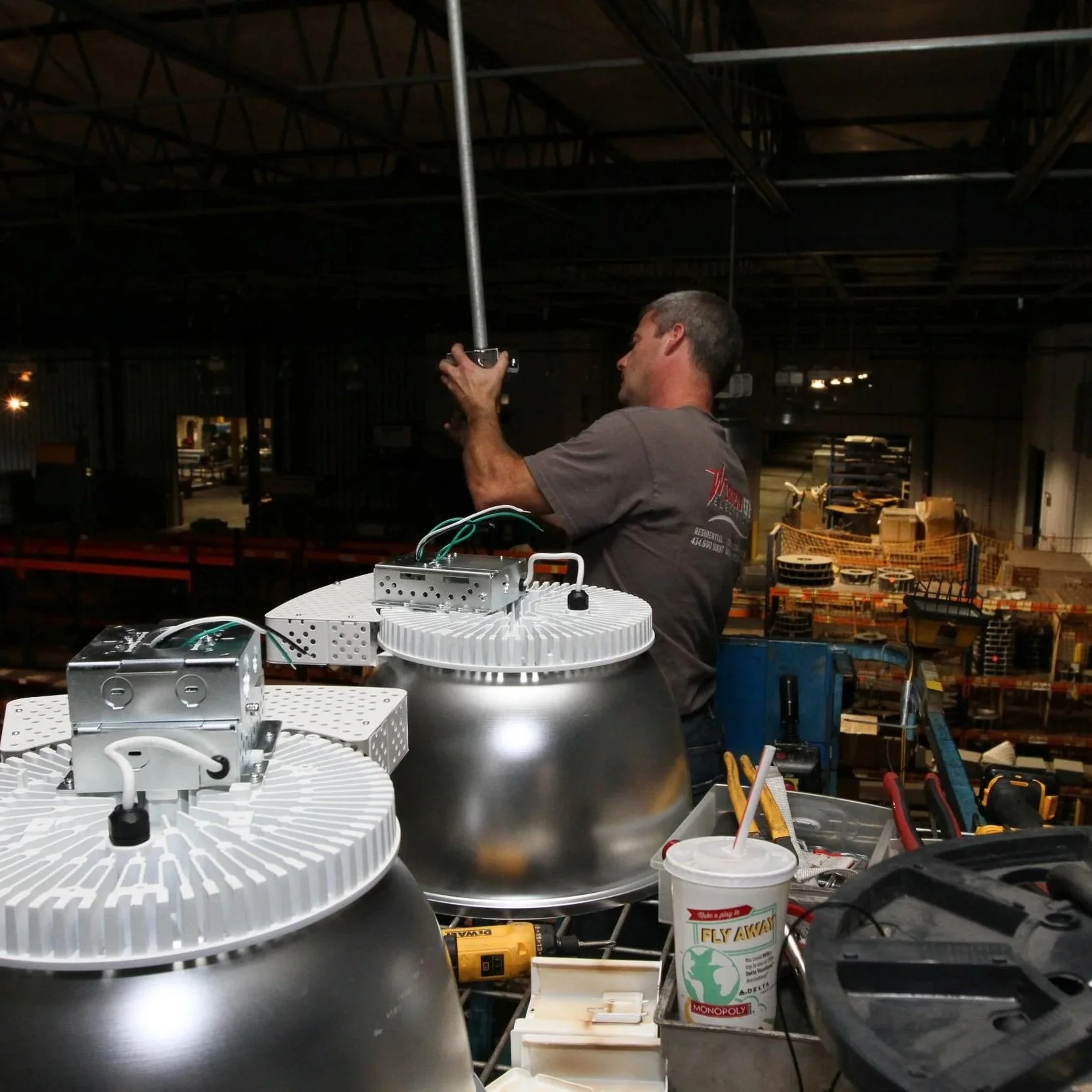
AFCI and GFCI breaker installation enhances electrical safety by preventing arc faults and shock hazards in modern Forest, VA and surrounding area homes today.
Arc-fault and ground-fault breaker installations focus on preventing hazards before they become emergencies. These breakers do not wait for wires to overheat or for damage to become visible. They detect dangerous conditions in real time and shut the power off immediately. Understanding how AFCI and GFCI breakers work helps Forest, VA and surrounding area homeowners appreciate why modern electrical safety depends on more than basic overload protection.
What Makes AFCI And GFCI Breakers Different
Traditional breakers protect wiring by shutting off power when current exceeds safe limits. AFCI and GFCI breakers add another layer of intelligence. They monitor how electricity behaves, not just how much flows through a circuit. That difference allows them to respond to hazards that standard breakers cannot detect.
Arc-fault and ground-fault breaker installations address two of the most common electrical dangers found in homes. AFCI breakers detect arcing conditions caused by damaged wires, loose connections, or aging insulation. GFCI breakers monitor for electricity that escapes its intended path, which often occurs in the presence of moisture.
Electricians in Forest, VA and surrounding areas install these breakers to reduce fire risk and shock hazards. Rather than reacting after damage occurs, AFCI and GFCI breakers stop dangerous conditions early. Their ability to react quickly makes them essential components in modern residential electrical systems.
Understanding Arc Faults Inside The Home
Arc faults occur when electricity jumps across gaps instead of flowing smoothly through wiring. These arcs generate intense heat, even when current levels remain relatively low. Loose connections, frayed cords, or aging insulation often cause arcing without triggering a standard breaker.
Arc-fault and ground-fault breaker installations use AFCI technology to detect the unique electrical signature of an arc. The breaker responds immediately, shutting off power before heat builds to the point of ignition.
In Forest, VA and surrounding area homes, arc faults commonly develop in older wiring, behind walls, or in frequently used outlets. Bedrooms, living areas, and spaces with extension cords are at a higher risk. Electricians recommend AFCI protection because arc-fault fires often start silently. Early detection prevents damage that would otherwise remain hidden until it becomes severe.
How GFCI Protection Prevents Shock
GFCI breakers protect people, not wiring. They monitor the balance of electricity flowing out on the hot conductor and returning on the neutral. When even a small imbalance appears, the breaker trips instantly.
Arc-fault and ground-fault breaker installations place GFCI protection where moisture or contact risk exists. Bathrooms, kitchens, garages, basements, and outdoor circuits benefit from this technology. Moisture lowers resistance, increasing the chance of shock.
In Forest, VA and surrounding areas, seasonal humidity and outdoor weather make GFCI protection especially important. A GFCI breaker reacts in fractions of a second, cutting power before serious injury occurs. Electricians emphasize that GFCI protection saves lives by responding faster than human reflexes ever could.
Why Modern Codes Require AFCI And GFCI Breakers
Electrical codes evolve based on real-world data. As fire investigations and injury reports identify patterns, safety requirements change. AFCI and GFCI breakers became code requirements because they address hazards responsible for many residential incidents.
Arc-fault and ground-fault breaker installations now appear in most new construction and renovation projects in Forest, VA and surrounding areas. Codes require AFCI protection in living spaces and GFCI protection in moisture-prone areas.
Electricians follow these requirements not just for compliance, but because they reflect proven safety improvements. Homes built decades ago often lack these protections. Upgrading brings older systems in line with the modern understanding of electrical risk. Code-driven safety upgrades protect families without changing how homes look or feel.
Common Misunderstandings About AFCI Trips
Some homeowners believe AFCI breakers trip too easily. That belief usually comes from misunderstanding what the breaker detects. AFCI breakers respond to electrical patterns that indicate arcing, even when loads appear normal.
Arc-fault and ground-fault breaker installations may reveal problems that existed unnoticed for years. Loose connections or damaged cords suddenly trigger protection that never existed before. The breaker reacts correctly, even if the issue feels unexpected.
Electricians help homeowners understand that AFCI trips point to real conditions worth addressing. Replacing worn cords or tightening connections resolves many issues. AFCI breakers act like smoke detectors for wiring. Occasional alerts highlight problems before they escalate into fires.
Why GFCI Protection Matters Beyond Bathrooms
GFCI protection is often associated only with bathroom or kitchen outlets. In reality, shock hazards exist anywhere where electricity and moisture, or grounding paths, overlap. Basements, garages, crawl spaces, and outdoor circuits all present risk.
Arc-fault and ground-fault breaker installations expand GFCI protection beyond individual outlets. Installing GFCI breakers protects entire circuits, reducing the chance of missed or failed receptacles.
Forest, VA and surrounding area homeowners benefit from broader protection that does not rely on a single device. Electricians recommend GFCI breakers when circuits serve multiple outlets or equipment. Centralized protection improves reliability and simplifies maintenance while keeping safety consistent.
Older Homes And The Need For Upgrades
Many Forest, VA and surrounding area homes, especially those built before the 1990s, lack modern safety features such as AFCI (arc-fault circuit interrupter) and GFCI (ground fault circuit interrupter) protection. While the wiring systems in these homes might still function, they don’t have the advanced protections needed to address common electrical hazards. The absence of these protective features leaves homes vulnerable to electrical fires and shock hazards, which could escalate without warning.
Arc-fault and ground-fault breaker installations provide an efficient way to enhance safety without extensive rewiring. These installations focus on replacing old breakers with modern, code-compliant ones that provide more reliable protection against electrical hazards. By upgrading the panel breakers, electricians can enhance safety across multiple circuits at once, ensuring a more secure and dependable electrical system throughout the home.
Electricians evaluate which home circuits would benefit most from these upgrades. Areas like bedrooms, kitchens, living spaces, and outdoor areas are typically the highest priority because they are more prone to electrical issues. Integrating modern safety features into older homes improves electrical safety while preserving the home’s character.
AFCI And GFCI Breakers Working Together
AFCI and GFCI breakers each address different types of electrical hazards, but they often work best when combined. AFCIs protect against dangerous arc faults, which can cause electrical fires, while GFCIs protect against ground faults, which can lead to electrical shocks. Some modern breakers combine both functions into a single device, simplifying the electrical system while providing layered protection against different hazards.
Arc-fault and ground-fault breaker installations that utilize combination breakers offer an efficient solution for upgrading safety in older homes. These breakers are especially beneficial in areas such as kitchens, bathrooms, and basements, where electrical hazards often overlap. In kitchens, for example, both moisture (which increases the risk of ground faults) and appliances (which can cause arc faults) are present, making combined protection essential.
In Forest, VA and surrounding area homes, combining AFCI and GFCI protection provides comprehensive safety. When these technologies are combined in a single breaker, they reduce both fire and shock hazards simultaneously, ensuring the electrical system operates in harmony with modern safety standards.
What Professional Installation Adds
Installing AFCI and GFCI breakers involves more than simply swapping out components; it requires a professional understanding of the home’s electrical system. Before installing these advanced safety features, electricians evaluate factors such as circuit design, load capacity, and grounding to ensure proper compatibility. Correct breaker placement is critical for these devices to perform as intended.
Professional installation also includes a series of tests to verify the operation of the newly installed breakers. Electricians check the breakers to verify they are responding to faults correctly, confirming that the system is functioning as designed. After installation, electricians provide homeowners with guidance on how the breakers work and what to do if they trip.
Professional electricians offer peace of mind with their expertise. Their detailed work and clear explanations make it easier for homeowners to trust in the reliability of their upgraded electrical system.
Seasonal Factors And Safety Breakers
Seasonal changes significantly affect how AFCI and GFCI breakers operate. Variations in temperature, humidity, and overall electrical load can affect the behavior of electrical systems. For instance, increased humidity during the summer raises the risk of ground faults, while winter heat can exacerbate the potential for arc faults in older, stressed wiring.
Arc-fault and ground-fault breaker installations help Forest, VA and surrounding area homes adapt to seasonal stresses by providing the added flexibility and sensitivity needed to deal with the varying risks each season presents. In warmer months, moisture and humidity in basements or bathrooms can lead to ground faults, while winter’s colder temperatures can put strain on the wiring system, increasing the chance of arcs.
Electricians carefully assess environmental factors when recommending upgrades to ensure that homes are equipped with the proper protection for all conditions. Breakers designed with seasonal resilience can withstand the stresses of both extreme heat and moisture, providing homeowners peace of mind year-round.
Long-Term Benefits Of Modern Protection
While the immediate benefit of AFCI and GFCI breakers is improved safety, their long-term advantages are equally important. These advanced breakers reduce the risk of fires and electrical shocks, protecting both the home and its occupants. Early detection of electrical faults prevents costly repairs or extensive damage to appliances and wiring.
Arc-fault and ground-fault breaker Installations also provide a sense of security that lasts well beyond the initial installation. Homeowners can trust that their electrical system will respond quickly to faults, preventing accidents before they escalate. With these protections in place, the risk of electrical fire or shock is significantly reduced.
In Forest, VA and surrounding areas, modern safety upgrades also support resale value and inspection outcomes. Buyers and inspectors recognize updated protection as responsible maintenance. Investing in advanced breakers benefits both current comfort and future value.
AFCI & GFCI Breaker Installation FAQs for Forest, VA and surrounding area Homes
What is the difference between AFCI and GFCI breakers?
AFCI breakers protect against electrical arcing that can cause fires, while GFCI breakers protect people from electric shock by shutting off power when ground faults are detected.
Are AFCI and GFCI breakers required in Forest, VA and surrounding area homes?
Modern electrical codes require them in many areas of the home, especially during new construction, remodeling projects, or electrical system upgrades.
Can arc-fault and ground-fault breaker installations be added to older homes?
Yes. Licensed electricians can upgrade breaker panels to add AFCI and GFCI protection without requiring full home rewiring in many cases.
Why does my AFCI breaker trip when nothing seems wrong?
AFCI breakers detect hidden wiring issues such as loose connections, damaged cords, or arc faults that standard breakers often miss.
Do GFCI breakers protect better than GFCI outlets?
GFCI breakers protect the entire circuit rather than a single outlet, providing broader and more consistent protection throughout the connected areas.
Wired Up Electrical offers professional general electrical services, electrical panel and service upgrades, wiring and rewiring services, and lighting installation & repair services in Forest, VA, and surrounding areas. Homeowners in the region can count on us to keep their home electrical system running smoothly. Call now to request a free estimate.
