
Sleek or Stark? Recessed Lighting Placement Tips for Forest, VA And Surrounding Area Homes
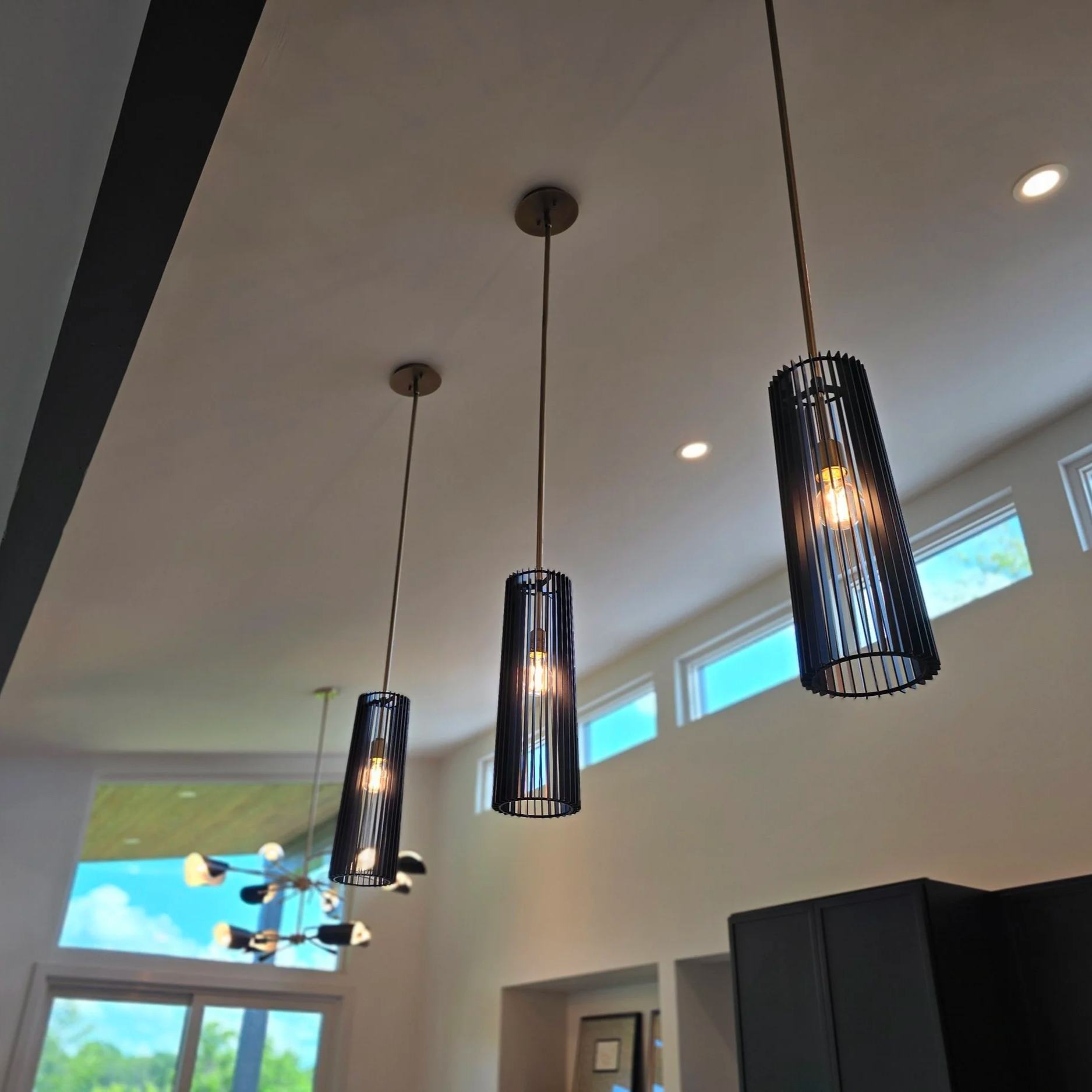
Well-spaced recessed pendant lighting highlights functional zones, balancing brightness and comfort while enhancing the room’s modern, open interior design.
Recessed lighting has become a staple in Forest, VA And Surrounding Area homes for good reason. When placed correctly, it creates clean lines, balanced brightness, and a polished look that works with nearly any interior style. When placed poorly, it turns ceilings into landing strips and rooms into harsh, uncomfortable spaces. The difference between sleek and stark often comes down to planning, placement, and professional insight. Recessed lighting installation is not about how many fixtures fit in a ceiling. It is about where light actually needs to land.
Professional lighting services see the same pattern again and again. Homeowners love the idea of recessed lighting but regret the result when glare appears, shadows fall in the wrong places, or rooms feel flat. Recessed lighting should quietly support the room rather than dominate it. Understanding how placement affects comfort, function, and appearance helps homes feel intentional instead of over-lit.
Why Recessed Lighting Placement Matters More Than Fixture Count
Recessed lighting placement matters far more than the total number of fixtures installed. Many Forest, VA And Surrounding Area homeowners assume adding more lights will automatically improve brightness. In reality, excessive recessed fixtures often create glare, visual clutter, and uneven illumination. Recessed lighting installation works best when placement follows how the room functions rather than a rigid grid.
Fixtures placed without purpose often shine directly onto seating areas, screens, or reflective surfaces. That creates eye strain and discomfort rather than clarity. Shadows also become more pronounced when lights miss key task areas. More fixtures cannot fix poor placement.
Professional lighting designers focus on directing light where it adds value. Fewer fixtures placed intentionally often produce better results than crowded ceilings. Proper placement creates smooth light distribution, improves comfort, and makes recessed lighting feel sleek rather than overwhelming.
Spacing Recessed Lights For Visual Balance
Spacing plays a significant role in how recessed lighting feels. Fixtures placed too close together create bright patches and glare. Fixtures spaced too far apart leave dark gaps that make rooms feel uneven. Recessed lighting installation requires balance rather than uniform distance alone.
In Forest, VA And Surrounding Area homes, ceiling height, room size, and beam angle all influence ideal spacing. High ceilings need different spacing than low ceilings. Narrow rooms behave differently from open layouts. Using a one-size-fits-all spacing approach often leads to stark results.
Professional services calculate spacing based on fixture output and room purpose. Light overlaps gently without stacking intensity. Balanced spacing keeps ceilings visually clean while delivering consistent illumination across the room.
Avoiding The Runway Effect In Ceilings
The runway effect occurs when recessed lights are arranged in straight rows without regard for the room layout. Ceilings begin to resemble airport lighting rather than a living space. Recessed lighting installation should support the room below, not draw attention upward.
In many Forest, VA And Surrounding Area homes, fixtures run parallel to walls or hallways without considering furniture placement—light lands in walkways instead of task areas. Seating zones remain dim while open floor areas receive unnecessary brightness.
Professionals avoid this by aligning fixtures with functional zones. Lights follow countertops, seating arrangements, and circulation paths rather than arbitrary lines. Breaking up rows and staggering placement keeps ceilings calm and rooms comfortable.
Placing Recessed Lighting Over Task Areas
Recessed lighting performs best when it supports specific tasks rather than merely filling ceiling space. Kitchens, bathrooms, home offices, and workspaces benefit from focused illumination placed intentionally to improve visibility and comfort. Recessed lighting installation should prioritize where people actually interact with surfaces, not where a fixture "fits" in a ceiling pattern. Proper planning prevents shadows and glare, turning lighting into a functional tool rather than an afterthought.
In Forest, VA And Surrounding Area kitchens, recessed lights positioned behind the cook often cast shadows across countertops, making meal prep awkward or even unsafe. Home offices can suffer from glare on monitors or reflective surfaces when lights are poorly positioned. Bathrooms lose their functional value when fixtures fail to evenly illuminate mirrors and faces, leaving shadows that complicate grooming or makeup application. Simply adding more lights does not solve these problems; strategic placement is essential.
Professional installers position recessed fixtures slightly in front of task areas so light falls naturally toward work surfaces rather than behind them. Careful angling reduces shadows, improves visibility, and enhances usability. Combining focused lighting with appropriate brightness levels keeps recessed lighting functional without overwhelming the room. When executed correctly, task-specific recessed lighting blends seamlessly into the design, supporting everyday activities while maintaining a sleek, polished aesthetic. Thoughtful placement transforms each task zone into a well-lit, comfortable, and visually appealing space.
Wall Washing Versus General Illumination
Wall washing uses recessed lighting to illuminate vertical surfaces rather than simply lighting the floor or ceiling. This technique opens up rooms visually, creates a sense of height, and adds depth without causing glare. Recessed Lighting Installation often incorporates wall washing in living rooms, hallways, and bedrooms to enhance architectural features and highlight textures.
In Forest, VA And Surrounding Area homes, wall washing draws attention to artwork, textured walls, brickwork, and decorative finishes while softening contrast throughout the room. Rather than creating isolated spots of brightness, light spreads evenly across surfaces, making spaces feel more open, airy, and inviting. This method prevents a flat, utilitarian look and adds a subtle layer of sophistication.
Professional installers carefully calculate fixture distance from walls and select beam angles to achieve uniform coverage. Fixtures placed too close together create harsh streaks, while fixtures too far away waste light and reduce effectiveness. Proper wall washing enhances visual appeal, adds dimension, and keeps ceilings visually quiet, contributing to a balanced, welcoming environment without overwhelming the room with brightness.
Ceiling Height And Its Impact On Placement
Ceiling height directly influences how recessed lighting behaves. Fixtures in low ceilings feel closer and brighter, whereas in high or vaulted ceilings, placement may create dark zones if too sparse. Recessed lighting installation must adapt to vertical space, considering how light travels and interacts with surfaces at different elevations.
In Forest, VA And Surrounding Area homes with vaulted or tray ceilings, placing fixtures too high or too widely spaced can leave rooms feeling dim and uninviting. Conversely, in homes with lower ceilings, fixtures that are too close together or too powerful can produce glare and an oppressive overhead brightness. Understanding vertical dynamics is crucial for both comfort and visual harmony.
Professional designers adjust spacing, fixture output, and trim selection based on ceiling height. Light reaches intended areas without overpowering the space. Thoughtful adaptation preserves both comfort and aesthetic appeal, whether the ceiling is intimate or expansive. Proper planning confirms recessed lighting feels natural, enhancing the room rather than competing with the architecture.
Choosing Trim And Beam Spread For Comfort
Fixture selection goes hand in hand with placement, with trim style and beam spread shaping how light interacts with a room. Recessed lighting installations that overlook these details often feel harsh or uneven, even when spacing is correct. Beam spread and trim type directly influence comfort and functionality.
Narrow beams create bright hotspots, while wider beams distribute light gently but require careful planning to avoid uneven coverage. Reflector trims intensify brightness and direct focus, whereas diffused trims soften output and reduce glare. Matching the right trim to a room's function transforms lighting from merely functional to visually comfortable.
Professional installers select trims and beam spreads based on the room's purpose. Living areas benefit from soft, wide spreads, while kitchens and task zones require focused beams. Pairing fixture type with precise placement reduces glare, balances brightness, and enhances the overall atmosphere. Proper selection confirms recessed lighting contributes to comfort as well as style.
Combining Recessed Lighting With Other Layers
Recessed lighting rarely works best in isolation. Layering it with other types of lighting prevents flat, over-lit rooms and adds dimension. Recessed lighting installation is most effective when integrated into a broader plan that includes accent, task, and decorative lighting.
In Forest, VA And Surrounding Area homes, relying solely on recessed fixtures often results in a uniform brightness that lacks warmth and character. Table lamps, wall sconces, and indirect lighting add depth, flexibility, and mood. Proper layering transforms a room from utilitarian to inviting while retaining functionality.
Professional designers position recessed lighting for general illumination while other fixtures define atmosphere and style. Layering allows recessed lights to stay subtle and supportive rather than dominating the space. Coordinated lighting creates visually appealing rooms that feel both functional and comfortable at all times of day.
Adapting Placement For Open Concept Homes
Open concept layouts present unique challenges for recessed lighting. Large spaces combining kitchens, dining areas, and living rooms require lighting that adapts without creating visual chaos. Recessed lighting installation should define zones rather than apply a uniform ceiling grid across the entire space.
In Forest, VA And Surrounding Area open layouts, uniform placement often ignores the specific needs of each functional area. Kitchens require bright task lighting, dining spaces benefit from softer ambient light, and living areas need flexible illumination for conversation or media. A one-size-fits-all approach can result in uneven brightness and discomfort.
Professional designers group fixtures by zone and allocate brightness based on function. Each area receives appropriate illumination without spilling excessively into other zones. Zoned placement keeps open spaces cohesive while preserving comfort and purpose, enabling multiple activities to coexist seamlessly under the same roof.
Recessed Lighting In Bedrooms And Relaxation Spaces
Bedrooms require a softer, more flexible approach to recessed lighting. Overhead lighting that is too harsh can disrupt relaxation and affect mood. Recessed lighting installation in bedrooms should prioritize comfort while maintaining functional illumination.
In Forest, VA And Surrounding Area bedrooms, poorly placed fixtures shine directly onto beds, walls, or faces, creating glare and reducing usability. Nighttime activities like reading, dressing, or winding down require adaptable lighting rather than a single bright source.
Professional installers place recessed lights around the perimeter, away from direct lines over the bed. Dimmers allow homeowners to adjust brightness based on the time of day or activity. Thoughtful placement and control provide a balance between restfulness and practicality, keeping bedrooms inviting and versatile while avoiding the stark overhead effect.
FAQs – Recessed Lighting Installation in Forest, VA, and surrounding areas
The ideal number depends on room size, ceiling height, and fixture output. Professional placement focuses on balanced, even lighting rather than a fixed count.
Excess brightness often comes from poor fixture placement, narrow beam spreads, or a lack of dimming. Adjusting layout and lighting controls improves comfort.
Yes. Professional recessed lighting installation adapts to existing structure and layout while preserving the home’s character and visual comfort.
Straight-line layouts work in some spaces, but often create a runway effect. Thoughtful placement follows room function and furniture use instead of rigid patterns.
Dimmers add flexibility and comfort, allowing recessed lighting to adapt easily to different times of day, activities, and moods.
Wired Up Electrical offers professional general electrical services, electrical panel and service upgrades, wiring and rewiring services, and lighting installation & repair services in Forest, VA, and surrounding areas. Homeowners in the region can count on us to keep their home electrical system running smoothly. Call now to request a free estimate.
