
Comfort Needs Its Own Power: HVAC Circuit Requirements in Lynchburg, VA
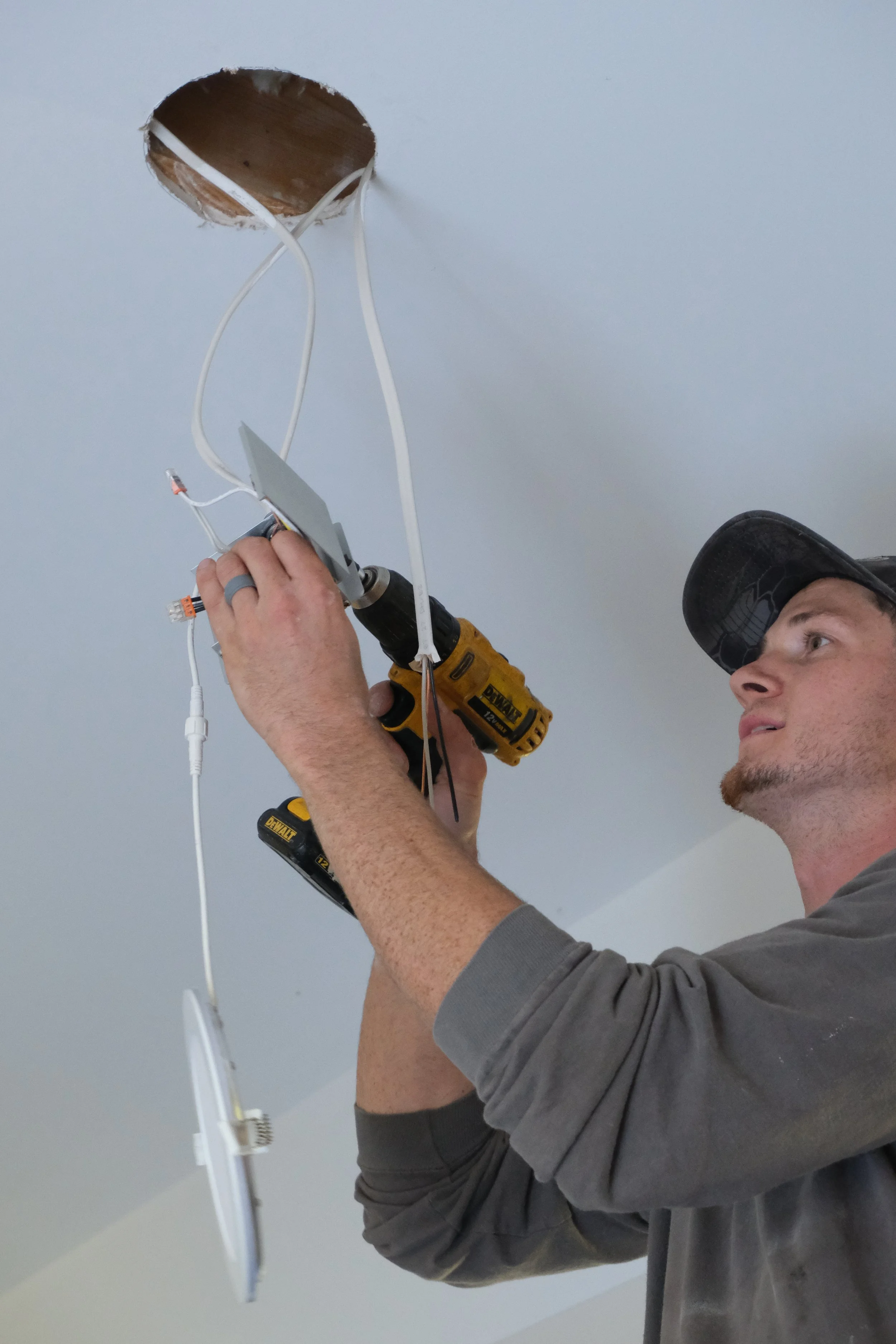
Many homeowners do not realize how closely electrical design affects HVAC performance until problems appear.
Heating and cooling systems in Lynchburg, VA, carry a heavy workload year-round, especially during humid summers and unpredictable temperature swings. HVAC equipment draws more electrical power than most household systems, particularly during startup and peak operation. When that power comes from undersized or shared electrical pathways, comfort and reliability both suffer. HVAC circuits provide these systems with the stable electrical support they require to operate correctly. Professional electrical services focus on aligning circuit design with HVAC demands rather than relying on outdated electrical layouts.
Many homeowners do not realize how closely electrical design affects HVAC performance until problems appear. Breakers may trip unexpectedly, systems may shut down during high demand, or temperature control may feel inconsistent. These issues often originate from electrical limitations rather than mechanical failure. HVAC circuits provide dedicated pathways that prevent power competition and voltage instability. In Lynchburg homes, proper circuit planning supports dependable comfort and protects expensive HVAC equipment.
Why HVAC Systems Need Dedicated Power
HVAC systems operate under very different electrical conditions than standard household appliances. Compressors, blowers, and heat pumps draw large amounts of power, especially during startup. When these components share circuits with lighting or outlets, voltage drops and interruptions become more likely. HVAC circuits isolate that demand so the system can operate without interference.
Professional electrical services design HVAC circuits in accordance with specific manufacturer requirements. Technicians calculate startup amperage, continuous load, and safety margins before selecting wiring and breakers. Proper circuit design ensures equipment starts smoothly and runs consistently throughout long cycles. Stable power delivery supports both efficiency and reliability.
Shared circuits force HVAC systems to compete for power during operation. That competition causes performance issues long before a complete failure occurs. HVAC circuits remove that strain and allow equipment to function as designed. Lynchburg homeowners experience steadier comfort and fewer electrical disruptions with proper circuit support.
Breaker Trips Often Start With HVAC Load
Frequent breaker trips often get blamed on aging HVAC equipment, but electrical design usually plays a larger role. When HVAC systems share circuits with other loads, breakers reach capacity quickly during startup cycles. Protective shutdowns occur to prevent overheating, even when the system itself remains healthy. HVAC circuits address that imbalance directly.
Professional electricians investigate breaker trips by examining load distribution across the electrical panel. Isolating HVAC equipment onto its own circuit often resolves repeated interruptions. Once the system no longer competes for power, breakers operate within safe limits. Comfort returns without replacing functional equipment.
Ignoring repeated breaker trips allows electrical stress to build over time. Wiring heats up, and connections degrade behind walls and panels. HVAC circuits reduce that ongoing strain by restoring balance. Lynchburg residents benefit from safer systems and fewer unexpected shutdowns.
Voltage Stability Matters More Than Many Realize
HVAC systems rely on steady voltage to operate efficiently and reliably. Even small fluctuations affect compressor performance, fan speeds, and electronic controls. Shared circuits introduce voltage dips whenever other appliances turn on. HVAC circuits stabilize power delivery and protect sensitive components.
Professional electrical services prioritize voltage consistency alongside capacity. Dedicated circuits reduce electrical noise and interference from other loads. Motors start smoothly, control boards operate predictably, and system efficiency improves. Clean power supports long-term performance.
Unstable voltage quietly shortens equipment lifespan. Systems may still operate, but do so under constant electrical stress. HVAC circuits remove that hidden burden. Lynchburg homes benefit from equipment that runs closer to manufacturer specifications.
Meeting Electrical Code And Manufacturer Requirements
Electrical codes and HVAC manufacturers specify strict circuit requirements for safety and performance. Dedicated HVAC circuits are often still required under modern standards. These requirements protect both the equipment and the home from electrical hazards. Compliance also supports warranty coverage.
Professional electricians stay current with local and national code updates. HVAC circuits are designed to meet inspection standards and manufacturer documentation. Proper installation reduces issues during home sales, renovations, or insurance reviews. Electrical upgrades align with broader safety expectations.
Ignoring these requirements creates long-term complications. Non-compliant circuits can delay repairs or replacements later. HVAC circuits simplify ownership by meeting standards from the beginning. Lynchburg homeowners gain confidence knowing systems meet modern expectations.
Older Homes And Modern HVAC Demands
Many Lynchburg homes were built when HVAC systems required far less electrical power. Original panels and wiring often struggle to support modern, high-efficiency equipment. HVAC circuits adapt older homes to current comfort standards without full rewiring. Electrical upgrades focus on targeted improvements.
Professional evaluations identify capacity limitations and safe upgrade paths. Panel upgrades, circuit additions, and load redistribution often solve the problem. HVAC circuits integrate modern systems into established structures with minimal disruption. Thoughtful planning balances safety and comfort.
Assuming older homes cannot support modern HVAC limits unnecessarily limits options. Electrical systems can evolve alongside equipment upgrades. HVAC circuits allow older Lynchburg homes to enjoy reliable heating and cooling. Comfort improvements become practical and sustainable.
Preventing Overheating And Electrical Stress
Electrical overheating presents serious risks in HVAC systems—shared circuits force wiring to operate near capacity for extended periods. Heat builds up behind walls and within panels without obvious warning signs. HVAC circuits reduce that risk by properly distributing the load.
Professional installation uses the correct wire gauge and breaker sizing. Secure connections reduce resistance and limit heat buildup. Circuits operate within their design range even during peak demand. Proper electrical support protects both the system and the structure.
Overheating often remains hidden until damage occurs. HVAC circuits act as preventive solutions rather than reactive fixes. Lynchburg homeowners benefit from systems designed for sustained performance. Electrical safety improves alongside comfort.
Supporting High-Efficiency and Smart HVAC Systems
Modern HVAC systems rely on advanced electronics and variable speed technology. These features demand a stable electrical supply to operate correctly. Shared circuits introduce interference, disrupting performance. HVAC circuits support clean and consistent power delivery.
Professional electricians plan circuits with both current and future needs in mind. Wiring and breakers accommodate variable loads and smart controls. Proper electrical support allows systems to reach their efficiency goals. Energy savings become more reliable.
Smart HVAC systems often integrate with home automation platforms. Electrical stability supports dependable communication and operation. HVAC circuits provide the foundation for advanced comfort solutions. Lynchburg homes stay compatible with evolving technology.
Why HVAC Circuits Reduce Service Calls
Many HVAC service calls trace back to electrical issues rather than mechanical defects. Undersized or shared circuits cause symptoms that mimic equipment failure. HVAC circuits resolve these issues at the source. Proper power delivery reduces unnecessary service visits.
Professional electrical upgrades complement HVAC maintenance programs. Systems operate within design parameters, reducing wear on components. Technicians encounter fewer electrical-related faults during inspections. Reliability improves across seasons.
Reducing service calls saves time and expense. HVAC circuits support smoother operation year after year. Lynchburg homeowners enjoy fewer interruptions and lower long-term maintenance costs. Electrical planning delivers ongoing value.
How Professional Planning Makes The Difference
Installing HVAC circuits requires coordination between electrical and mechanical requirements. Panel capacity, wiring paths, and load calculations must align precisely. Professional electricians bring experience that prevents costly mistakes. HVAC circuits perform best when planned carefully. Thoughtful planning also anticipates potential future upgrades, reducing the need for disruptive changes later.
Professional services evaluate grounding, disconnect placement, and future expansion needs. Installations integrate cleanly with existing systems. Attention to detail supports safety and compliance. Skilled planning delivers dependable results. Careful evaluation minimizes the risk of overheating, breaker trips, and inconsistent system operation.
Improper installation limits the benefits of dedicated circuits. Professional planning transforms upgrades into lasting solutions. Lynchburg residents gain confidence knowing comfort systems receive proper electrical support. Expertise defines performance. Well-planned circuits also extend the lifespan of HVAC equipment by reducing stress on motors and controls.
When HVAC Circuit Upgrades Make Sense
Homes experiencing frequent breaker trips or inconsistent comfort often benefit from circuit upgrades. HVAC replacements also present ideal opportunities to review electrical support. New systems often demand more precise electrical design. HVAC circuits integrate naturally during equipment upgrades. Addressing electrical needs simultaneously prevents repeated disruptions and additional costs.
Professional evaluations determine whether existing circuits meet current requirements. Upgrades focus on high-impact improvements rather than unnecessary changes. Tailored solutions reflect actual usage patterns. Electrical investments deliver measurable comfort benefits. Technicians assess current and anticipated energy demands to maintain efficient, reliable operation.
HVAC circuits support safety, efficiency, and reliability together. Lynchburg homeowners experience dependable performance during extreme conditions. Proper electrical planning keeps comfort systems running smoothly. Thoughtful upgrades support modern living. Well-designed circuits also allow for better system diagnostics and easier maintenance over time.
Frequently Asked Questions About Dedicated HVAC Circuits In Lynchburg, VA
Why do HVAC systems need dedicated HVAC circuits in Lynchburg, VA?
HVAC systems draw high electrical loads during startup and operation, especially during peak heating and cooling seasons in Lynchburg, VA. Dedicated HVAC circuits provide stable power without competing loads from other appliances, improving system reliability, reducing electrical strain, and supporting overall household safety.
Can shared circuits cause HVAC breakers to trip?
Yes. Shared circuits can overload when HVAC equipment cycles on, particularly during startup when electrical demand spikes. This often leads to frequent breaker trips, which dedicated HVAC circuits are specifically designed to prevent by isolating the system’s electrical load.
Do older homes in Lynchburg need HVAC circuit upgrades for new systems?
Many older homes in Lynchburg benefit from HVAC circuit upgrades when installing modern heating and cooling systems. Newer equipment typically requires updated wiring and properly sized breakers to operate safely and efficiently under current electrical standards.
Are HVAC circuits required by the electrical code?
Electrical codes and equipment manufacturers commonly require dedicated HVAC circuits to support safe operation and proper system performance. These requirements ensure the system receives adequate power while minimizing risks related to overheating, overload, or electrical failure.
How long does it take to install HVAC circuits in Lynchburg, VA?
Most HVAC circuit installations in Lynchburg, VA take a few hours to complete, depending on panel accessibility, wiring paths, and the specific system requirements. More complex configurations may require additional time to ensure proper routing and safe connections.
Wired Up Electrical boasts a team of highly qualified electricians with a strong reputation for offering top-quality outlet, switch, & fixture services, circuits & power distribution, and EV charging station services. Serving Forest, VA, and the surrounding areas, we ensure cost-effective solutions with prompt response and clear communication. Call today to learn more.
