
Driving Electric Starts at Home: EV Charger Circuit Basics in Lynchburg, VA
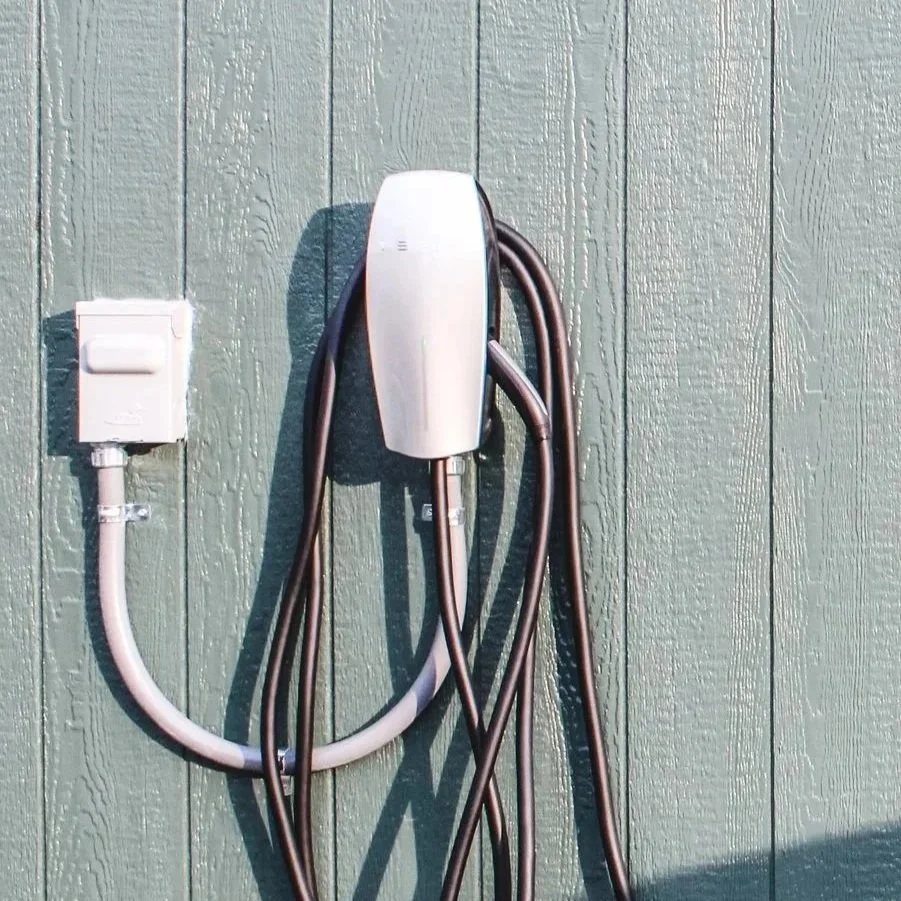
EV charger circuits provide dedicated electrical support, enabling charging equipment to operate safely and efficiently.
Electric vehicles continue to gain momentum across Lynchburg, VA, as drivers seek practical ways to reduce fuel costs and simplify daily commuting. While public charging stations serve a purpose, most EV owners depend on home charging for convenience and consistency. Home charging only works well when the electrical system behind it is designed to handle the demand.
EV charger circuits provide dedicated electrical support, enabling charging equipment to operate safely and efficiently. Professional electrical services focus on building these circuits correctly so homeowners can plug in with confidence.
Many homeowners underestimate the electrical demand an EV charger places on their home. Charging often runs for hours at a time, sometimes overnight, which creates a very different load profile than typical appliances. Using existing outlets without proper planning can lead to slow charging, breaker trips, and unnecessary electrical stress. EV charger circuits isolate that demand so the rest of the home continues to function normally. In Lynchburg homes, thoughtful circuit planning supports reliable charging without disrupting everyday electrical use.
Why EV Chargers Need Dedicated Electrical Support
EV chargers operate under sustained electrical load, which separates them from most household devices. Unlike appliances that cycle on and off, chargers draw consistent current for extended periods. When chargers share circuits with lighting or outlets, voltage instability and overheating risks increase. EV charger circuits prevent those issues by dedicating power exclusively to charging equipment.
Professional electricians design EV charger circuits around the specific charger and vehicle requirements—load ratings, amperage needs, and charging duration all factor into the design. Correct breaker and wire selection confirm that the charger operates smoothly throughout the charging session. Dedicated circuits also reduce stress on the rest of the electrical system.
Shared circuits may appear functional at first, but often create problems over time. Charging slows, breakers trip, or wiring behind walls heats up. EV charger circuits eliminate these risks and support consistent charging performance. Lynchburg homeowners benefit from electrical setups designed for long-term use rather than short-term convenience.
Understanding Level 1 And Level 2 Charging
Home EV charging generally falls into two categories based on power delivery. Level 1 charging uses standard household voltage and offers slower charging speeds suitable for light daily driving. Level 2 charging operates at a higher voltage, significantly reducing charging time. EV charger circuits vary depending on which charging level the homeowner chooses.
Professional electrical services help homeowners assess driving habits and charging expectations. Drivers with longer commutes or multiple EVs often prefer Level 2 charging for efficiency. Level 2 chargers require dedicated EV charger circuits with higher amperage capacity. Proper circuit planning aligns charging speed with the household's electrical capacity.
Choosing the wrong circuit limits charger performance and convenience. Level 1 charging can strain shared outlets when used continuously. EV charger circuits designed for the selected charging level deliver predictable results. Lynchburg drivers enjoy charging solutions that match their lifestyle and schedule.
Panel Capacity And Load Calculations Matter
Electrical panels manage power distribution throughout the home. Adding an EV charger increases overall electrical demand, sometimes significantly. Without proper load calculations, panels may operate too close to capacity. EV charger circuits function best when the panel can support them safely.
Professional electricians evaluate panel capacity before installing EV charger circuits. Load calculations consider existing appliances and HVAC systems, as well as anticipated future needs. In some cases, panel upgrades become necessary to accommodate charging equipment. Proper planning prevents overload conditions and unexpected interruptions.
Ignoring panel limitations leads to frequent breaker trips or incomplete charging sessions. EV charger circuits rely on adequate upstream capacity as much as proper wiring. Lynchburg homeowners gain peace of mind knowing their electrical system can handle charging safely. Careful evaluation protects both the home and the vehicle.
Breaker And Wire Sizing For EV Charging
EV charging demands precise breaker and wire sizing due to the continuous nature of the load. Undersized wiring heats up during long charging sessions, increasing risk and reducing efficiency. Breakers that are too small trip frequently, while oversized breakers compromise safety. EV charger circuits depend on correct component selection.
Professional installation follows manufacturer specifications and electrical standards. Electricians choose wire gauge based on amperage, distance, and installation conditions. Breakers get sized to support continuous operation without nuisance trips. Balanced design promotes long-term reliability.
Improper sizing creates performance and safety concerns that worsen over time. Charging may stop unexpectedly or run inconsistently. EV charger circuits, when designed correctly, deliver steady power from start to finish. Lynchburg homeowners benefit from systems built for everyday charging demands.
Why Existing Outlets Are Not Enough
Standard household outlets were not designed for sustained high-load charging. Even when charging appears to work initially, electrical stress builds quietly behind the walls. Shared outlets feed other devices, increasing competition for power. EV charger circuits remove that strain entirely.
Professional electricians advise against long-term EV charging from standard outlets. Wiring may lack the capacity to safely handle extended current draw. Dedicated EV charger circuits provide outlets and wiring designed specifically for charging equipment. Proper installation supports safe and consistent operation.
Relying on existing outlets introduces hidden risks. Heat buildup damages insulation and connections over time. EV charger circuits provide peace of mind through proper electrical design. Lynchburg homes remain protected while vehicles charge overnight.
Indoor Versus Outdoor Charger Circuit Considerations
EV chargers may be installed in garages, carports, or outdoor locations, depending on the property layout. Each location introduces different electrical and environmental considerations. Outdoor installations require weather-rated components and additional protection. EV charger circuits adapt to these varying conditions.
Professional electricians plan circuit routing and protection based on charger placement. Conduit type, grounding methods, and disconnect locations vary by environment. Outdoor circuits must withstand moisture, temperature changes, and exposure. Correct installation supports durability and safety year-round.
Improper outdoor installations lead to corrosion and inconsistent power delivery. Professionally installed EV charger circuits effectively handle environmental challenges. Lynchburg homeowners benefit from charging setups that perform reliably regardless of location. Location-specific planning plays a critical role.
Permits And Electrical Code Compliance
Electrical work related to EV charging must meet local and national code requirements. Permits confirm that installations follow safety standards and best practices. EV charger circuits often require inspection before operation begins. Professional services manage this process from start to finish. Proper permitting also prevents potential fines or delays arising from noncompliant work.
Professional electricians stay up to date with evolving EV charging regulations. Code compliance protects homeowners during resale, insurance reviews, or future upgrades. Proper documentation supports system integrity over time. Compliance also protects equipment warranties. Following regulations verifies the system functions safely under continuous high-demand use.
Skipping permits creates complications down the road. EV charger circuits installed without approval may require costly corrections later. Lynchburg homeowners benefit from compliant installations completed the first time correctly. Professional oversight simplifies what could otherwise become a complex process. Avoiding permit issues gives peace of mind and helps maintain long-term property value.
Future Proofing For Additional EVs
Many households plan to add more electric vehicles over time. Electrical infrastructure should support that growth whenever possible. EV charger circuits can be designed with expansion in mind. Panel capacity and circuit routing influence future flexibility. Anticipating future needs saves time, money, and disruption when additional vehicles arrive.
Professional electricians discuss long-term plans with homeowners during installation. Circuits may be sized or routed to accommodate additional chargers later. Planning reduces the need for repeated upgrades. Electrical systems grow alongside transportation needs. Properly planned circuits also allow for faster, safer installation of new charging units without overloading existing wiring.
Short-sighted solutions limit options later. Thoughtfully designed EV charger circuits support changing lifestyles. Lynchburg homes remain ready for future EV adoption. Forward-thinking electrical design saves time and expense. Thoughtful planning avoids compromises in performance or safety down the line.
Why Professional Installation Matters
EV charging combines high electrical demand with frequent use. Installation quality directly affects safety, reliability, and performance. Professional electricians bring training and experience that guide every decision. EV charger circuits perform best when installed correctly from the start. Skilled installation also prevents hidden issues such as voltage drop or overheating that could damage both the home and the vehicle.
Professional services carefully evaluate grounding, bonding, and disconnect placement. Installations integrate cleanly with existing electrical systems. Attention to detail supports efficient and safe operation. Skilled workmanship delivers long-lasting results. Proper installation reduces ongoing maintenance needs and helps the system operate at optimal efficiency.
Improper installation undermines the benefits of home charging. EV charger circuits installed professionally protect both vehicle and home. Lynchburg homeowners gain confidence knowing their charging setup works as intended. Expertise delivers peace of mind. Reliable installation also minimizes downtime and supports uninterrupted charging for daily use.
Frequently Asked Questions About EV Charger Circuits In Lynchburg, VA
Do EV chargers need dedicated EV charger circuits in Lynchburg, VA?
Yes. EV chargers draw a continuous high electrical load for extended periods, especially during overnight charging. Dedicated EV charger circuits provide stable power without overloading other household circuits in Lynchburg, VA, helping protect wiring, breakers, and the vehicle’s charging equipment.
Can my existing electrical panel support an EV charger?
Many electrical panels can support EV charger circuits, but a professional load calculation is required to confirm available capacity. An electrician evaluates current usage, breaker space, and overall panel rating to determine whether upgrades are necessary before installation.
Is Level 2 charging faster than Level 1 at home?
Yes. Level 2 charging delivers significantly faster charging speeds than Level 1 and is the preferred option for most homeowners. Because it operates at higher voltage and amperage, it requires properly installed dedicated EV charger circuits to function safely and efficiently.
Do I need a permit to install EV charger circuits in Lynchburg, VA?
Most EV charger circuit installations in Lynchburg, VA require permits and inspections to meet local electrical code requirements. Proper permitting ensures the system is installed safely and verified for compliance, protecting both the homeowner and the property.
How long does it take to install EV charger circuits at home?
Installation time varies depending on panel condition, distance to the charging location, and whether upgrades are required. Most EV charger circuit projects can be completed within several hours, though more complex installations may take longer to ensure safe and proper connections.
Wired Up Electrical boasts a team of highly qualified electricians with a strong reputation for offering top-quality outlet, switch, & fixture services, circuits & power distribution, and EV charging station services. Serving Forest, VA, and the surrounding areas, we ensure cost-effective solutions with prompt response and clear communication. Call today to learn more.
