
Comfort on Autopilot: Smart Thermostat Installation Tips for Lynchburg, VA, Homes
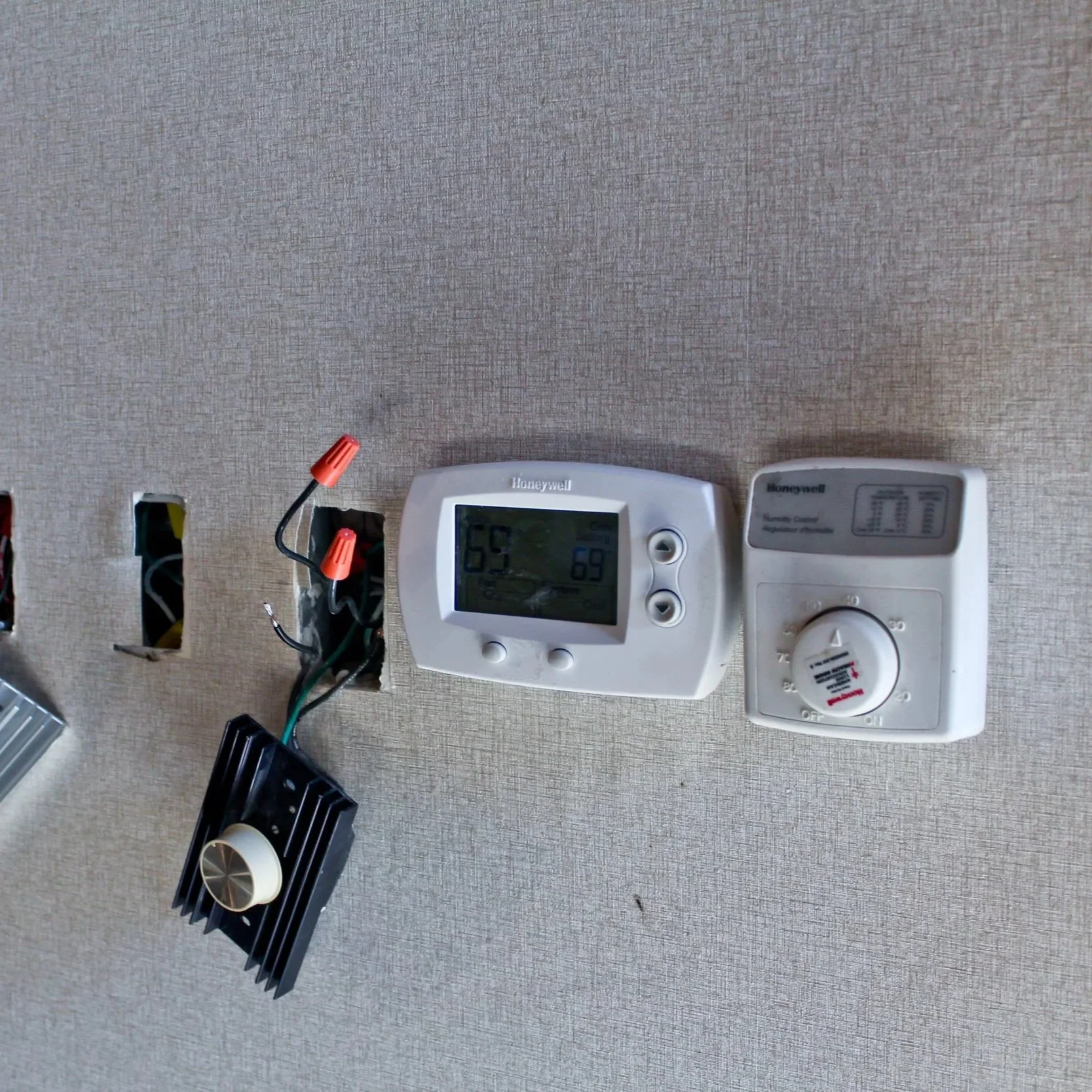
Smart thermostat installation changes how homeowners interact with their heating and cooling systems.
Homes in Lynchburg, VA, experience noticeable temperature shifts throughout the year, which make indoor comfort a concern homeowners think about almost daily. Summers can feel sticky and heavy, often causing rooms to feel warmer than desired, even with fans or standard air conditioning. Winters bring sudden cold snaps that push heating systems to work harder, creating uneven warmth throughout the home. Many households still rely on traditional thermostats that require frequent manual adjustments and constant attention, which quickly become tedious and often fail to maintain consistent comfort in every room.
Smart thermostat installation changes how homeowners interact with their heating and cooling systems. Instead of constantly reacting to discomfort or rushing to adjust a dial, the thermostat begins to manage comfort intelligently based on routines, occupancy, and temperature patterns. When installed and configured professionally, smart thermostats quietly make decisions in the background, adjusting the system before discomfort arises. The result is a home that feels responsive and intuitive, offering a level of consistency and efficiency that traditional thermostats cannot match.
Why Smart Thermostats Feel Like a Noticeable Upgrade
Smart thermostats stand out because they operate with awareness rather than simply responding to direct commands. Traditional thermostats rely entirely on manual adjustments and only react after a room becomes too hot or too cold. Smart thermostats observe daily patterns, household schedules, and preferred temperature ranges over time, learning how to maintain comfort automatically. This adaptive behavior allows the HVAC system to operate more efficiently and maintain steady temperatures throughout the day.
Many homeowners notice that temperature changes feel smoother after installation, with heating and cooling cycles transitioning gradually rather than abruptly. Rooms feel more evenly conditioned, eliminating hot or cold spots that were common with older thermostats. The air feels balanced and natural, improving overall comfort without requiring constant monitoring or manual intervention. Homeowners often find that even family members and pets benefit from the consistent climate.
Smart thermostat installation allows these advanced features to function effectively from the start. A professional setup confirms the thermostat understands the type of HVAC system, the home’s layout, and usage patterns. Homeowners typically notice improved comfort within the first week, with a noticeable difference in both temperature consistency and system efficiency. The home begins to feel smarter, with the thermostat actively supporting comfort rather than reacting passively.
Understanding HVAC Compatibility Before Installation
Not every HVAC system communicates the same way, which makes compatibility a critical first step in installation. Older systems may rely on wiring configurations that smart thermostats need help interpreting. In comparison, newer systems include advanced features such as variable-speed operation, heat pumps, or dual-stage heating, which require specific setup. Without assessing compatibility, the thermostat may underperform, fail to communicate correctly with the system, or cause unnecessary cycling that increases energy use.
Professionals evaluate the type of HVAC system, control board, and wiring before installation. They check for compatibility issues, confirm electrical requirements, and identify any necessary wiring modifications. This evaluation prevents problems such as short cycling, unresponsive equipment, or incomplete functionality that could frustrate homeowners after installation. A properly evaluated system guarantees that the thermostat fully controls the HVAC system as intended.
A professionally handled smart thermostat installation addresses compatibility from the start. Correct wiring and setup verify that all features, including advanced scheduling, learning modes, and energy reports, work reliably. Homeowners avoid trial and error and gain immediate confidence in the system’s performance. The thermostat operates dependably and efficiently, improving both comfort and energy management.
Why Thermostat Placement Shapes Everyday Comfort
Thermostat placement significantly affects how accurately indoor temperatures are measured and maintained. Locations near windows, exterior walls, or supply vents can produce readings that are higher or lower than the actual room temperature, leading the HVAC system to overheat or underheat the space. These inaccurate readings reduce comfort, even when the thermostat display suggests normal operation.
Professionals consider factors such as airflow patterns, insulation quality, room size, and how the space is used when determining placement. Central locations often provide the most balanced temperature readings, while avoiding drafts, direct sunlight, or heat sources improves sensor accuracy. Even small placement adjustments can have a dramatic effect on comfort, energy use, and system efficiency over time.
Smart thermostat installation includes careful placement planning to secure accurate readings. Proper placement allows the thermostat to make informed decisions that lead to smoother, more efficient operation. Homeowners notice fewer temperature fluctuations and more even heating or cooling throughout the home, resulting in a noticeable improvement in day-to-day comfort.
Why Wiring Quality Unlocks Smart Features
Smart thermostats rely on consistent power and clear communication with HVAC equipment to function correctly. Improper or low-quality wiring can prevent the thermostat from powering on consistently, cause displays to flicker, or interrupt communication with heating and cooling equipment. Some systems require additional wiring for advanced features like learning schedules, remote control, or integration with other smart home devices.
Professionals assess wiring needs before installation, checking voltage, connection integrity, and terminal compatibility. This step guarantees stable power delivery and reliable communication between the thermostat and HVAC equipment. Quality wiring helps avoid frequent errors, connectivity issues, and system malfunctions that are common when shortcuts are taken during installation.
A professionally installed smart thermostat secures full access to all features. Homeowners can rely on scheduling, learning algorithms, and app control working consistently. The thermostat becomes a dependable and intuitive part of the home’s daily routine, avoiding frustration caused by intermittent operation or unreliable performance.
How Smart Thermostats Encourage Better Energy Habits
Smart thermostats provide homeowners with insights into energy usage that traditional thermostats cannot. They display when and how often the HVAC system runs, which areas require more attention, and what triggers energy-intensive cycles. This information empowers homeowners to make informed adjustments to improve efficiency without sacrificing comfort.
Usage reports highlight patterns and trends in energy consumption rather than overwhelming homeowners with excessive data. Observing this information over time allows homeowners to identify small changes that can reduce energy use while keeping spaces comfortable. Gradual efficiency improvements can be achieved without sacrificing climate control or personal comfort preferences.
Smart thermostat installation includes setup for reporting and alert features, helping homeowners use the data effectively. Professionals teach how to interpret insights and make adjustments that suit individual routines. The thermostat becomes a helpful guide, showing energy usage and efficiency trends rather than a confusing tool, making energy awareness a natural part of daily life.
Integration That Fits Modern Lifestyles
Smart thermostats integrate seamlessly with phones, tablets, and voice assistants. Homeowners can adjust temperatures from anywhere, whether at work, on vacation, or simply moving around the house. Schedule changes no longer require physical interaction with the device, giving users real-time flexibility and control over comfort.
Many smart thermostats also coordinate with other connected home systems. Lighting, security, and HVAC equipment can communicate and operate together, creating a responsive home environment. This coordination confirms comfort and convenience while reducing energy waste and allowing the home to respond to daily routines intuitively.
Smart thermostat installation includes properly setting up the account and pairing the device. Professionals configure apps, permissions, and integrations correctly, avoiding technical headaches and allowing immediate control. Homeowners enjoy a smooth, polished experience where technology works seamlessly in the background to maintain comfort.
Handling Lynchburg’s Seasonal Weather Shifts
Lynchburg experiences both humid summers and cold winters, which can place significant demands on HVAC systems. Smart thermostats respond gradually to temperature changes rather than turning the system on and off aggressively, reducing wear on equipment. This measured approach maintains steady comfort year-round while optimizing energy efficiency.
Seasonal learning allows smart thermostats to adapt automatically to changing weather patterns. Heating and cooling schedules adjust as outdoor conditions fluctuate, preventing constant manual reprogramming during spring and fall. Homeowners experience a consistent indoor climate even when outside temperatures shift rapidly.
Smart thermostat installation tailored to local conditions supports long-term comfort and performance. Professionals adjust settings to account for regional climate variations, making sure that HVAC systems respond efficiently and effectively. Homes remain comfortable year-round, reducing strain on equipment and preventing unnecessary energy consumption.
Why Calibration and Updates Matter Long-Term
Smart thermostats receive regular software updates that enhance performance, security, and feature functionality. Professional installation verifies that updated settings and calibration are properly configured. Skipping these steps can result in inaccurate readings, missed updates, and less reliable operation over time.
Calibration makes sure that the thermostat measures temperatures accurately. Even small discrepancies can create noticeable comfort issues or uneven heating and cooling. Professionals compare thermostat readings to actual room conditions to guarantee consistent performance and reliable operation.
Smart thermostat installation includes setup that supports automatic updates and accurate calibration. Homeowners benefit from continual improvements without manual intervention. The thermostat remains current, efficient, and dependable, providing consistent comfort as new features and updates are introduced.
Why a Professional Setup Shapes Long-Term Comfort
Smart thermostats deliver optimal performance when configured thoughtfully from the beginning. Default settings rarely reflect household routines, occupancy patterns, or personal comfort preferences. Professional setup aligns schedules, temperature goals, and system behavior to maximize both comfort and efficiency.
An incorrect setup can cause uneven temperatures, excessive cycling, or inconsistent comfort throughout the home. Professional configuration avoids these issues, so the system operates quietly, efficiently, and predictably. Homeowners enjoy a smoother, more reliable experience without the frustration of ongoing adjustments.
A professional smart thermostat installation lays a strong foundation for long-term comfort. The system works quietly and automatically, adapting to changes in schedules, weather, and usage. Homeowners can enjoy hands-off comfort, energy savings, and confidence that the HVAC system is operating optimally.
Helpful FAQs About Smart Thermostat Installation In Lynchburg, VA
Is smart thermostat installation worthwhile for older homes in Lynchburg, VA?
Many older homes in Lynchburg, VA can benefit from smart thermostat installation when wiring and HVAC system compatibility are evaluated professionally. An assessment ensures the existing system can support modern controls and helps avoid performance issues related to outdated wiring.
Do smart thermostats actually help reduce energy usage?
Smart thermostats help homeowners better understand heating and cooling patterns by tracking runtime and temperature adjustments. With scheduling features and adaptive learning, they often reduce unnecessary system cycles, which can lower overall energy consumption over time.
Can smart thermostats work with heat pumps in Lynchburg, VA, homes?
Many smart thermostats are compatible with heat pump systems commonly used in Lynchburg, VA homes. Proper installation and configuration are important to ensure auxiliary heat and staging functions operate correctly for consistent comfort.
How long does smart thermostat installation usually take?
Most smart thermostat installations are completed in a single visit. The exact timeframe depends on existing wiring conditions, system complexity, and whether any adjustments are needed to support the new device.
Why is professional smart thermostat installation recommended?
Professional installation supports correct wiring, equipment compatibility, proper placement, and accurate configuration. This helps ensure reliable temperature control, protects HVAC components, and prevents issues that could arise from incorrect setup.
Count on Wired Up Electrical for smart home electrical services, surge protection & electrical safety, appliance & equipment hookups, and low voltage & specialty systems. As a trusted company in Forest, VA, we offer electrical solutions that will last. Call today to discuss your needs with our experts.
