
Plugging In at Home: Level 1 vs Level 2 EV Charger Installation in Lynchburg, VA
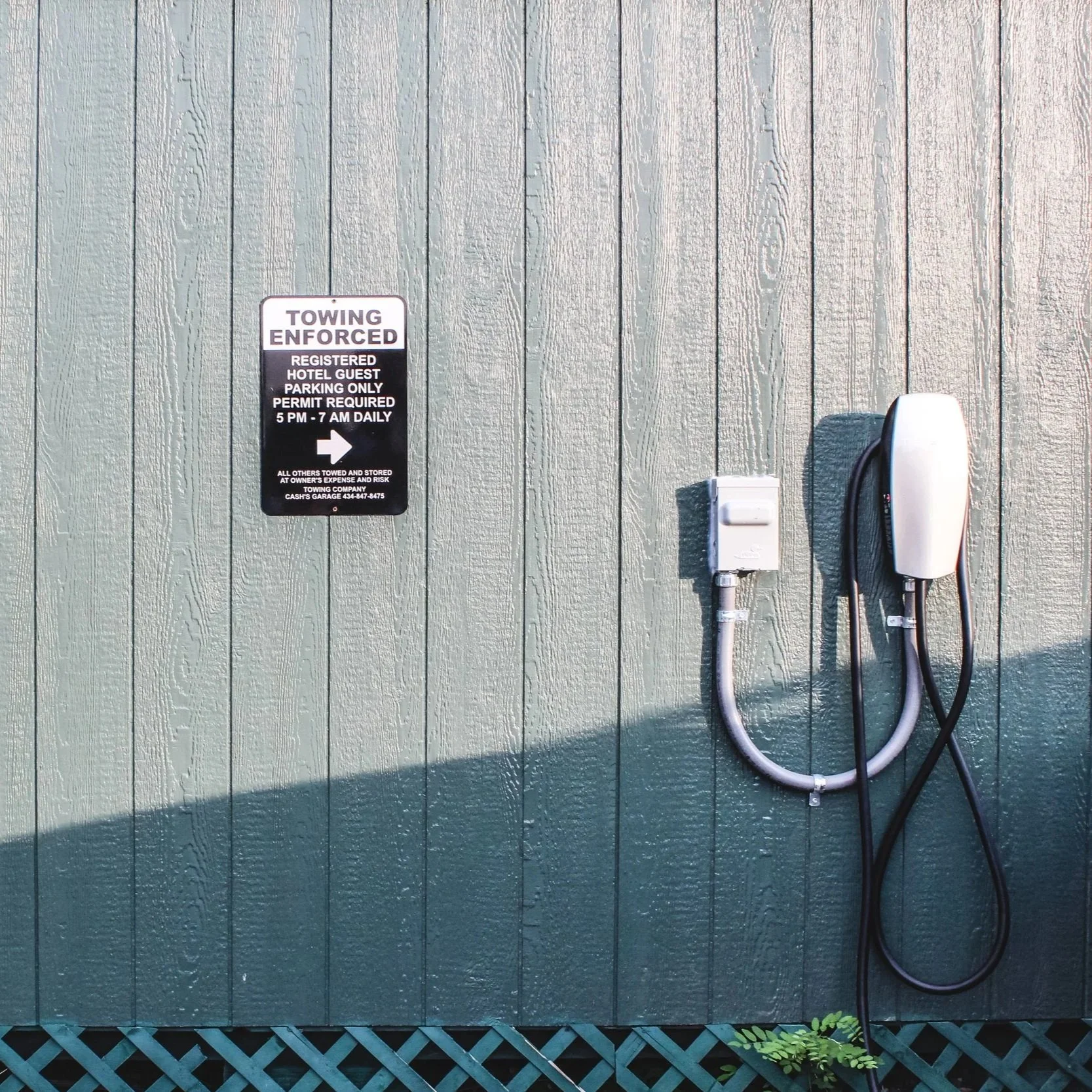
Professional electrical services help homeowners match charging needs with safe, reliable electrical infrastructure.
Electric vehicles have moved from novelty to normal in Lynchburg, VA, and home charging has quickly become part of daily life for many drivers. Plugging in at home feels simple on the surface, yet the electrical planning behind it matters far more than most homeowners expect.
Choosing between Level 1 and Level 2 EV charger installation affects charging speed, electrical load, panel capacity, and long-term convenience. EV charger installation (Level 1, Level 2) involves more than picking a charger off a shelf and plugging it in. Professional electrical services help homeowners match charging needs with safe, reliable electrical infrastructure.
Home charging decisions often start with good intentions but incomplete information. Some drivers assume any outlet will work forever, while others jump straight to faster charging without understanding electrical requirements. Each option has advantages and limitations that depend on driving habits, home electrical capacity, and plans. Understanding how Level 1 and Level 2 EV charger installation works helps Lynchburg homeowners make confident choices. A well-planned installation turns charging into a seamless part of the daily routine rather than a constant consideration.
Understanding The Basics Of Home EV Charging
Home EV charging generally falls into two categories, Level 1 and Level 2. Level 1 charging uses a standard household outlet and provides a slower but straightforward charging option. Level 2 charging uses higher voltage and delivers significantly faster charging speeds. EV charger installation (Level 1, Level 2) differs not just in speed, but also in electrical impact.
Professional electricians evaluate how each charging level interacts with a home’s existing electrical system. Level 1 draws less power but runs for longer periods, often overnight and beyond. Level 2 draws more power in shorter bursts, requiring dedicated circuits and careful load management. Both approaches affect panels and wiring differently.
Understanding these differences helps homeowners avoid assumptions that lead to frustration. EV charger installation (Level 1, Level 2) should align with driving patterns and electrical capacity. Lynchburg homeowners benefit from informed planning instead of trial and error. Knowledge sets the foundation for reliable charging.
Why Level 1 Charging Feels Easy At First
Level 1 charging appeals to many new EV owners because it feels familiar. Plugging into a standard outlet requires no immediate electrical upgrades in some homes. For drivers with short commutes or infrequent charging needs, Level 1 can feel sufficient. EV charger installation (Level 1, Level 2) often starts with this option.
Professional electricians still evaluate Level 1 charging carefully—a continuous load over many hours places a steady demand on wiring and outlets. Older circuits or shared outlets may experience heat buildup over time. What feels simple at first can create long-term stress.
Level 1 charging works best when expectations match reality. Charging times stretch well beyond a single night for many vehicles. EV charger installation planning (Level 1, Level 2) helps homeowners avoid surprises. Professional guidance confirms whether Level 1 meets long-term needs.
Where Level 1 Charging Starts To Fall Short
Level 1 charging limitations become noticeable as driving habits change. Longer commutes, multiple drivers, or spontaneous trips quickly expose slow charging speeds. Waiting days for a full charge creates inconvenience. EV charger installation (Level 1, Level 2) decisions often evolve at this stage.
Professional electrical services hear similar concerns from homeowners who outgrow Level 1 charging. Vehicles remain plugged in constantly, leaving little flexibility. Electrical outlets run under continuous load without dedicated circuits. Performance limitations affect daily routine.
Recognizing when Level 1 no longer meets needs helps homeowners plan. EV charger installation (Level 1, Level 2) should support lifestyle, not restrict it. Lynchburg homeowners gain freedom with solutions designed for real-world use. Upgrading becomes a proactive choice rather than a reactive fix.
Why Level 2 Charging Changes Everything
Level 2 charging offers a significant upgrade in convenience compared to Level 1. With faster charging times, electric vehicles (EVs) can fully charge overnight or in just a few hours, supporting longer commutes, multiple vehicles, and varying schedules. This flexibility makes it an ideal solution for households that need efficient charging.
As EV adoption grows, many homeowners are transitioning to Level 2 charging. Professional electricians treat these installations as major electrical projects due to the higher voltage and current requirements. They need dedicated circuits, proper wiring, and sufficient panel capacity. Careful planning and load calculations are necessary to verify that the system is safe and efficient.
Level 2 charging turns home charging from a limitation into a practical advantage, providing reliable and fast charging that aligns with daily life. In areas like Lynchburg, professional installation maximizes EV charging performance, making it an essential part of modern living.
Electrical Capacity Matters More Than Charger Speed
Choosing between Level 1 and Level 2 involves more than charging time. Electrical capacity determines what the home can safely support. Panels, service size, and existing loads all factor into EV charger installation (Level 1, Level 2). Faster is not always better without preparation.
Professional electrical services assess total household demand before installation. Homes with multiple large appliances may need adjustments before adding Level 2 charging. Even Level 1 charging can strain older wiring if circuits are shared. Capacity evaluation protects the system.
Ignoring electrical capacity creates risk and frustration. EV charger installations (Level 1, Level 2) work best when matched to the infrastructure. Lynchburg homeowners benefit from solutions that respect both their vehicles and their homes. Electrical balance supports long-term reliability.
Dedicated Circuits Make A Big Difference
Dedicated circuits separate EV charging from the rest of the home’s electrical demand. Level 2 charging always requires a dedicated circuit, while Level 1 charging often benefits from one as well. EV charger installation (Level 1, Level 2) improves significantly with proper circuit planning.
Professional electricians install dedicated circuits to prevent power competition. Other appliances operate normally while charging occurs. Heat buildup and nuisance breaker trips decrease. Dedicated wiring supports consistent performance.
Shared circuits introduce unpredictability into charging routines. EV charger installation (Level 1, Level 2), designed with dedicated circuits, creates stability. Lynchburg homeowners enjoy charging without worrying about lights dimming or breakers tripping. Proper separation supports peace of mind.
How Charging Habits Shape The Best Choice
Driving habits influence which charging level makes sense. Short daily commutes may align with Level 1 charging, while frequent long trips favor Level 2. EV charger installation (Level 1, Level 2) should reflect how the vehicle gets used.
Professional electricians ask about mileage, schedules, and plans. A household expecting additional EVs may choose Level 2 early. Planning avoids repeated upgrades. Charging solutions evolve with lifestyle.
Matching charging level to habits prevents disappointment. EV charger installation (Level 1, Level 2) tailored to real usage delivers satisfaction. Lynchburg homeowners appreciate solutions that fit naturally. Thoughtful planning replaces guesswork.
Future Proofing Your Home For EV Growth
Electric vehicle ownership often grows over time, with more vehicles or newer models increasing charging demand. EV charger installation (Level 1, Level 2) should anticipate this growth rather than react later. Planning for future capacity helps avoid costly upgrades down the road.
Professional electrical services consider future needs during installation, adding panel upgrades or spare circuit space if necessary. This confirms infrastructure can expand without disruption. Forward-thinking saves money and effort by making the system adaptable.
Short-term solutions limit long-term flexibility. EV charger installation (Level 1, Level 2), designed for growth, protects your investment. Lynchburg homeowners benefit from being ready for future needs, making their home’s electrical system more sustainable.
Why Professional Installation Matters
EV charging involves high electrical loads that require careful management. Professional installation guarantees safety and optimal performance, minimizing risk to both vehicle and home. Correct installation reduces long-term issues and maximizes system efficiency.
Electricians handle permitting, load calculations, and code compliance, ensuring everything meets standards. Proper grounding and wiring prevent hazards and confirm reliable operation. Experience verifies that the system works safely and efficiently.
Shortcuts or DIY fixes can lead to safety risks. Professional installation of EV chargers (Level 1, Level 2) secures a reliable and safe setup. Lynchburg homeowners gain peace of mind, knowing their system is built to last and function properly.
Frequently Asked Questions About Level 1 And Level 2 EV Charger Installation In Lynchburg, VA
What is the difference between Level 1 and Level 2 EV charger installation in Lynchburg, VA?
Level 1 charging uses a standard household outlet and provides slower charging speeds, while Level 2 charging uses higher voltage to deliver significantly faster charging for Lynchburg, VA homes. Level 2 EV charger installation typically requires a dedicated circuit and specialized wiring to safely support the increased electrical demand.
Is Level 1 EV charging enough for daily use?
Level 1 charging may work for drivers with short daily commutes and consistent overnight charging time. However, many homeowners eventually outgrow Level 1 as driving distances increase or schedules become less predictable, making faster Level 2 charging more practical.
Does Level 2 EV charger installation require electrical upgrades?
In many cases, yes. Level 2 EV charger installation usually requires a dedicated circuit and adequate panel capacity to handle the higher load. If the existing electrical system lacks sufficient space or amperage, upgrades may be necessary to ensure safe and reliable operation.
Can my existing electrical panel handle a Level 2 EV charger?
A professional load calculation and panel evaluation determine whether your existing electrical panel can support Level 2 EV charger installation. This assessment reviews available breaker space, total service capacity, and current household electrical demand before installation begins.
Is professional EV charger installation really necessary?
Yes. Professional EV charger installation helps protect your home’s electrical system, supports reliable vehicle charging, and ensures compliance with local codes in Lynchburg, VA. Proper installation reduces the risk of overload, overheating, and long-term electrical issues.
Wired Up Electrical boasts a team of highly qualified electricians with a strong reputation for offering top-quality outlet, switch, & fixture services, circuits & power distribution, and EV charging station services. Serving Forest, VA, and the surrounding areas, we ensure cost-effective solutions with prompt response and clear communication. Call today to learn more.
